

What is the elasticity of a Chicken Hook Chain?
Sep 09, 2025
As a supplier of Chicken Hook Chains, I often encounter inquiries about the elasticity of these essential components in the poultry processing industry. Elasticity is a critical property that affects the performance, durability, and overall functionality of Chicken Hook Chains. In this blog post, I will delve into the concept of elasticity, its significance in the context of Chicken Hook Chains, and how it impacts the poultry slaughter process.
Understanding Elasticity
Elasticity, in the realm of materials science, refers to the ability of a material to deform under the application of force and return to its original shape once the force is removed. This property is quantified by the elastic modulus, which measures the stiffness of a material. A high elastic modulus indicates a stiff material that resists deformation, while a low elastic modulus suggests a more flexible material.
In the case of Chicken Hook Chains, elasticity plays a crucial role in ensuring smooth operation during the poultry slaughter process. The chains are subjected to various forces, including tension, compression, and bending, as they transport chickens through different stages of the processing line. A chain with appropriate elasticity can absorb these forces without permanent deformation, thereby maintaining its structural integrity and functionality.
Factors Affecting the Elasticity of Chicken Hook Chains
Several factors influence the elasticity of Chicken Hook Chains, including the material composition, manufacturing process, and design.
Material Composition
The choice of material is a primary determinant of the chain's elasticity. Most Chicken Hook Chains are made from stainless steel, which offers excellent corrosion resistance, strength, and durability. Stainless steel chains typically have a high elastic modulus, making them relatively stiff and resistant to deformation. However, the specific grade of stainless steel used can also affect the chain's elasticity. For example, austenitic stainless steels, such as 304 and 316, are known for their good ductility and flexibility, which can contribute to the chain's ability to withstand bending and stretching forces.
Manufacturing Process
The manufacturing process also plays a significant role in determining the chain's elasticity. Chains that are precision-engineered using advanced manufacturing techniques are more likely to have consistent elasticity throughout their length. For instance, chains that are forged or heat-treated can have improved mechanical properties, including enhanced elasticity. Additionally, the quality of the welding and assembly processes can affect the chain's overall strength and flexibility.
Design
The design of the Chicken Hook Chain can also impact its elasticity. Chains with a larger pitch (the distance between consecutive links) tend to be more flexible than those with a smaller pitch. This is because a larger pitch allows for more movement between the links, enabling the chain to bend and stretch more easily. Similarly, chains with a more open design, such as those with a wide link or a special hook configuration, can provide greater flexibility and adaptability to different processing requirements.

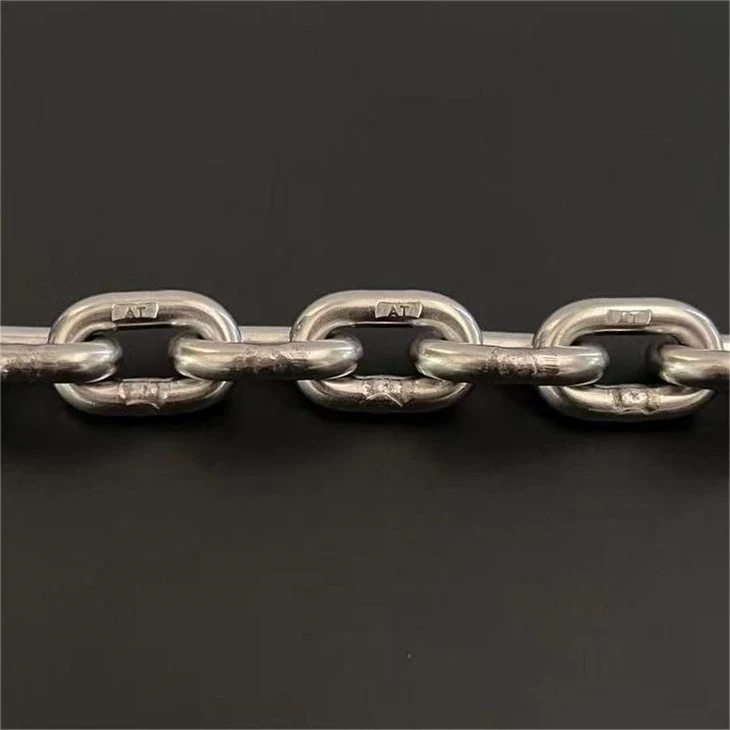
Importance of Elasticity in Poultry Slaughter Operations
The elasticity of Chicken Hook Chains is of utmost importance in poultry slaughter operations for several reasons.
Smooth Operation
A chain with appropriate elasticity can ensure smooth and efficient operation of the poultry slaughter line. As the chain moves through the various stages of the process, it needs to be able to bend and flex around curves, sprockets, and other components without getting stuck or causing excessive wear. A chain that is too stiff may not be able to follow the contours of the processing line, leading to jams and disruptions in production. On the other hand, a chain that is too flexible may sag or stretch excessively, which can also affect the accuracy and reliability of the processing equipment.
Product Quality
The elasticity of the Chicken Hook Chain can also impact the quality of the processed poultry products. A chain that is able to maintain its shape and integrity during the slaughter process can ensure that the chickens are handled gently and uniformly. This can help to minimize damage to the birds, reduce the risk of contamination, and improve the overall appearance and quality of the final products.
Durability
Chicken Hook Chains are subjected to harsh operating conditions, including high temperatures, moisture, and chemical exposure. A chain with good elasticity can better withstand these conditions and resist wear and tear. This can extend the lifespan of the chain, reduce maintenance costs, and improve the overall efficiency of the poultry slaughter operation.
Applications of Chicken Hook Chains in Poultry Processing
Chicken Hook Chains are widely used in various stages of the poultry processing industry, including Poultry Slaughter Chain, Slaughter Chickens, Ducks And Geese Production Line Equipment Chain, and Slaughter Line Chain.
Conveyor Systems
One of the primary applications of Chicken Hook Chains is in conveyor systems used to transport chickens through the slaughterhouse. The chains are typically attached to hooks or carriers that hold the chickens securely as they move along the processing line. The elasticity of the chain allows it to adapt to the different speeds and directions of the conveyor, ensuring smooth and continuous movement of the birds.
Evisceration and Processing Equipment
Chicken Hook Chains are also used in evisceration and processing equipment, such as defeathering machines, cut-up machines, and packaging lines. In these applications, the chains are used to hold the chickens in place while they are being processed. The elasticity of the chain helps to ensure that the chickens are held firmly but gently, preventing damage to the birds and ensuring the accuracy of the processing operations.
Conclusion
In conclusion, the elasticity of Chicken Hook Chains is a critical property that affects their performance, durability, and functionality in the poultry processing industry. By understanding the factors that influence elasticity and choosing the right chain for the specific application, poultry processors can ensure smooth and efficient operation of their slaughter lines, improve product quality, and reduce maintenance costs.
If you are in the market for high-quality Chicken Hook Chains, I invite you to contact me to discuss your specific requirements. I am committed to providing the best products and services to meet your needs and help you achieve your production goals.
References
- Callister, W. D., & Rethwisch, D. G. (2011). Materials Science and Engineering: An Introduction. Wiley.
- Dieter, G. E. (1986). Mechanical Metallurgy. McGraw-Hill.
- Shackelford, J. F. (2008). Introduction to Materials Science for Engineers. Prentice Hall.