

What are the common defects in alloy steel chain manufacturing?
Apr 09, 2026
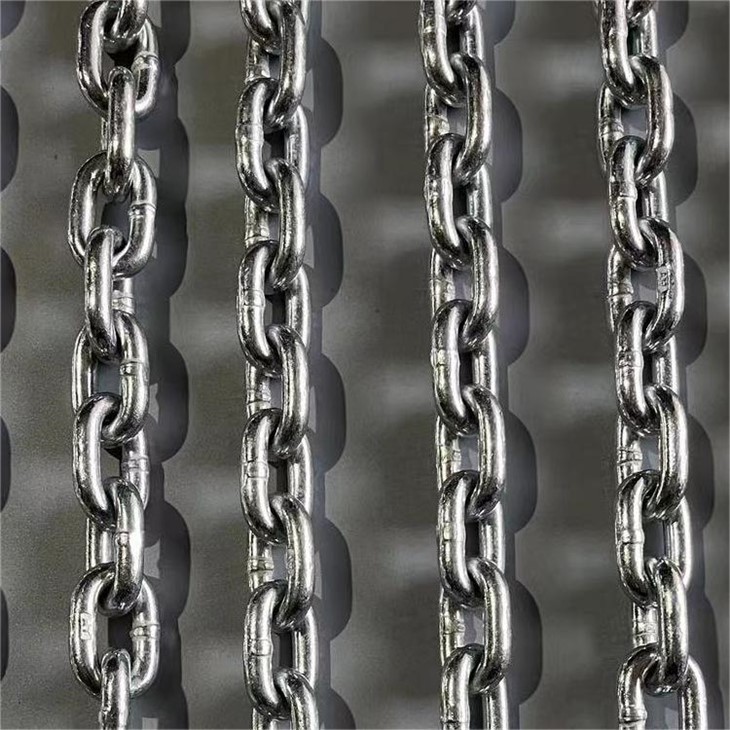
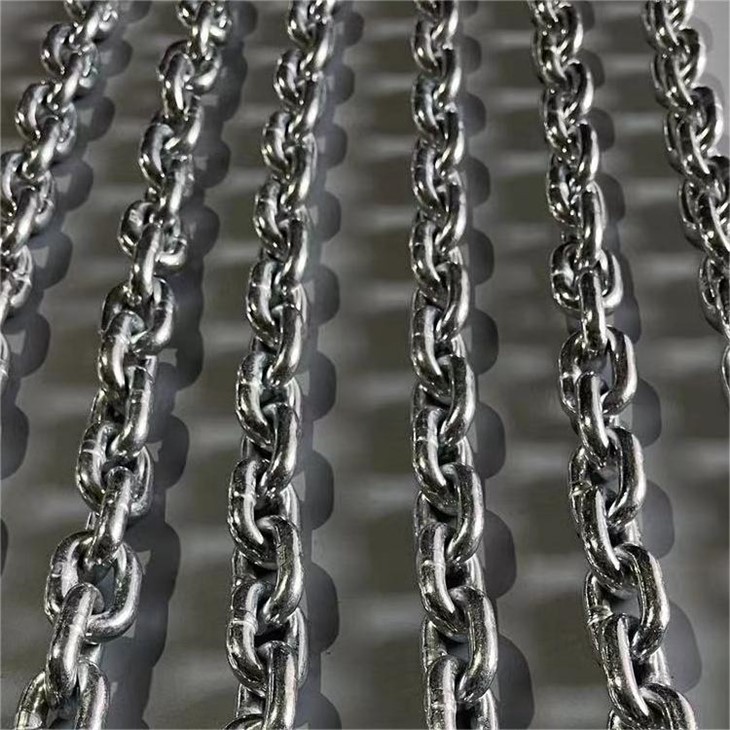
As a seasoned supplier of Alloy Steel Chain, I've witnessed firsthand the intricacies and challenges that come with the manufacturing process. Alloy steel chains are widely used in various industries, from slaughterhouses to heavy machinery, due to their high strength and durability. However, like any manufacturing process, there are common defects that can occur, which can affect the quality and performance of the chains. In this blog, I'll delve into these common defects, their causes, and how they can be mitigated.
1. Surface Defects
Surface defects are one of the most common issues in alloy steel chain manufacturing. These can include cracks, pits, and rust.
Cracks
Cracks may occur when the correct raw materials are not selected or when the heat treatment method is incorrect.
Pits
Pits are small depressions on the surface of the chain. They can be caused by impurities in the steel, such as sulfur or phosphorus, which can react with the steel during the manufacturing process. Pits can also be the result of improper cleaning or handling of the chain during production.
Pits can weaken the chain by reducing its cross-sectional area and providing a site for corrosion to start. To prevent pits, it's important to use high-quality steel and to ensure that the chain is properly cleaned and handled during manufacturing.
Rust
Rust is a common problem in alloy steel chains, especially if they are exposed to moisture or corrosive environments. Rust can weaken the chain by reducing its strength and causing it to become brittle. It can also lead to the formation of pits and cracks, further compromising the integrity of the chain.
To prevent rust, it's important to apply a protective coating to the chain, such as zinc plating or painting. Additionally, the chain should be stored in a dry environment and protected from moisture and corrosive substances.
2 and ductility of the chain. Sulfur and phosphorus can cause the steel to become brittle, while oxygen can lead to the formation of oxides, which can weaken the chain.
To reduce the presence of impurities, it's important to use high-quality steel and to ensure that the steel is properly refined during the manufacturing process.
Improper Alloying
Alloying is the process of adding other elements to the steel to improve its properties. However, if the alloying process is not properly controlled, it can lead to a number of defects. For example, if too much of a particular alloying element is added, it can cause the steel to become brittle or to have poor corrosion resistance.
To ensure proper alloying, it's important to carefully control the amount and type of alloying elements added to the steel. Quality control measures should be in place to ensure that the alloy composition meets the required specifications.
Mitigating Defects
To mitigate these common defects, it's important to implement a comprehensive quality control system. This system should include regular inspections at every stage of the manufacturing process, from raw material inspection to final product testing. Additionally, it's important to invest in high-quality equipment and to train employees on proper manufacturing techniques.
As a supplier of High Strength Alloy Steel Chain, Rabbit Killing Chain, and High Strength Alloy Steel Slaughter Chain, we are committed to providing our customers with high-quality products. We understand the importance of quality and reliability in the chains we supply, and we take every measure to ensure that our products meet the highest standards.
. Dimensional Defects
Dimensional defects refer to variations in the size and shape of the chain links. These can include variations in the pitch, width, and thickness of the links.
Pitch Variation
The pitch of a chain is the distance between the centers of two adjacent links. Pitch variation can occur due to inaccuracies in the manufacturing process, such as improper tooling or incorrect machining. Pitch variation can affect the performance of the chain by causing it to run unevenly or to skip on the sprocket.
To ensure consistent pitch, it's important to use high-precision tooling and to carefully control the manufacturing process. Regular quality checks should also be performed to detect and correct any pitch variations.
Width and Thickness Variation
Variations in the width and thickness of the chain links can also occur due to manufacturing inaccuracies. These variations can affect the strength and durability of the chain. For example, if the links are too thin, they may not be able to withstand the load, leading to premature failure.
To prevent width and thickness variations, it's important to use high-quality raw materials and to ensure that the manufacturing process is carefully controlled. Quality control measures should be in place to detect and correct any variations in the width and thickness of the links.
3. Heat Treatment Defects
Heat treatment is a critical step in the manufacturing of alloy steel chains, as it helps to improve the strength and hardness of the steel. However, if the heat treatment process is not properly controlled, it can lead to a number of defects.
Overheating
Overheating can occur if the steel is heated to a temperature that is too high or if it is held at that temperature for too long. Overheating can cause the steel to become brittle and can reduce its strength. It can also lead to the formation of cracks and other surface defects.
To prevent overheating, it's important to carefully control the temperature and time during the heat treatment process. Temperature sensors should be used to monitor the temperature of the steel, and the heat treatment parameters should be adjusted as needed.
Underheating
Underheating can occur if the steel is not heated to a high enough temperature or if it is not held at that temperature for long enough. Underheating can result in the steel not achieving the desired strength and hardness. It can also lead to the formation of soft spots in the chain, which can reduce its overall performance.
To prevent underheating, it's important to ensure that the heat treatment process is properly calibrated and that the steel is heated to the correct temperature for the appropriate amount of time.
4. Material Defects
Material defects can occur due to impurities in the steel or due to improper alloying.
Impurities
Impurities in the steel, such as sulfur, phosphorus, and oxygen, can affect the strength
If you are in the market for high-quality alloy steel chains, we encourage you to contact us for a consultation. Our team of experts will be happy to discuss your specific requirements and to provide you with a customized solution. We look forward to the opportunity to work with you and to help you find the perfect chain for your needs.
References
- ASM Handbook Committee. (2008). ASM Handbook, Volume 1: Properties and Selection: Irons, Steels, and High-Performance Alloys. ASM International.
- Davis, J. R. (1997). Steel Heat Treatment: Metallurgy and Technologies. ASM International.
- Schmid, H., & Boegehold, A. (2003). Metal Forming Handbook: A Practical Guide to Stamping, Forging, Extrusion, and Rolling. McGraw-Hill Professional.