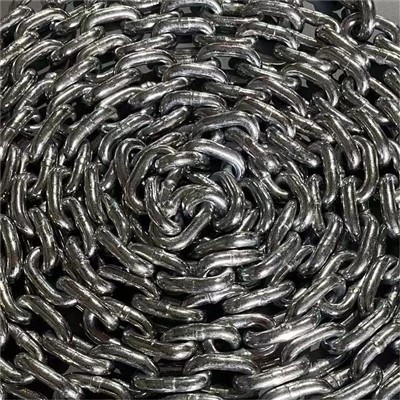
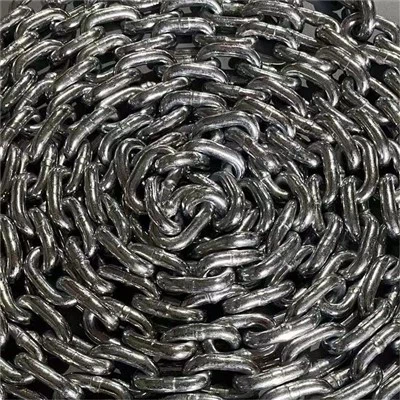
Q: What are alloy steel chains and what are they used for?
A: Alloy steel chains are a type of metal link chain made from alloy steel, which is a combination of steel and other elements to enhance its properties. They are used for a variety of purposes, including material handling, towing, lifting, and securing items.
Q: What are the different types of alloy steel chains available?
A: There are several different types of alloy steel chains available, including high-strength alloy steel chains, stainless steel chains, and galvanized steel chains. Each type has its own unique properties and is suited for different applications.
Q: How do you select the right alloy steel chain for your needs?
A: Selecting the right alloy steel chain depends on several factors, including the application, load requirements, environmental conditions, and budget. It is important to consider the breaking strength, working load limit, and corrosion resistance of the chain.
Q: What is the breaking strength of alloy steel chains?
A: The breaking strength of alloy steel chains varies depending on the specific grade of the alloy steel, the size and design of the chain (e.g., single strand or multiple strand), the heat treatment process it has undergone, and the quality control measures employed during manufacturing. Generally, the breaking strength of alloy steel chains can range from about 20,000 pounds (9,072 kgf) to over 100,000 pounds (45,359 kgf) for larger sizes. For example, a Grade 80 alloy steel chain, which is a common type, typically has a minimum breaking strength that is 80 times its nominal working load limit (WLL). If the WLL is 1 ton (approximately 2,000 pounds or 907 kg), the minimum breaking strength would be around 160,000 pounds (72,575 kgf). However, these figures are general guidelines, and actual breaking strengths should be verified by consulting the manufacturer's specifications or using certified test reports.
Q: What is the working load limit of alloy steel chains?
A: The working load limit (WLL) of alloy steel chains is determined by the manufacturer and is based on the breaking strength and safety factor. It is important to never exceed the WLL to ensure safe and reliable use.
Q: How do you care for alloy steel chains?
A: Regular Inspections: Check your chain regularly for signs of wear, damage, or stretch. Check for rust, corrosion, and missing or damaged links. If any defects are found, replace the affected section or the entire chain if necessary. Cleaning: After each use, especially in harsh environments, the chain should be cleaned to remove dirt, grime, and debris. This can usually be done using a wire brush, degreaser, and water. For more severe contamination, the chain may need to be soaked in a solution of detergent and water. Then rinse thoroughly and dry completely to prevent rust.
Q: What are the common applications of alloy steel chains?
A: Material Handling: In warehouses and factories, alloy steel chains are often used to move goods from one location to another. They attach to forklifts and cranes to transport heavy materials safely and efficiently. Towing and Rescue: Alloy steel chains are commonly used in the automotive industry to tow vehicles. They are strong enough to pull cars, trucks and other heavy machinery out of ditches or snow. Marine Industry: Alloy steel chains are used for anchoring and mooring purposes on ships and vessels. Their high strength and corrosion resistance make them ideal for marine environments. Construction and Mining Industry: In the construction and mining industry, alloy steel chains are used for a variety of purposes, such as lifting and moving heavy equipment, and securing loads during transportation.
Q: What are the advantages of using alloy steel chains over other types of chains?
A: Superior Strength: Alloy steel is designed to have higher tensile strength than regular carbon steel, allowing alloy steel chains to handle heavier loads with greater efficiency. Enhanced durability: Adding alloying elements such as chromium, molybdenum and vanadium increases the material's overall resiliency, extending its lifespan even under harsh conditions. Corrosion resistance: Certain steel alloys are specifically designed to resist oxidation and chemical reactions, which is critical for applications in corrosive environments. Impact Resistance: Alloy steel can better absorb impacts and shocks without cracking, making it suitable for dynamic loading situations where sudden changes in stress occur.
Q: How do alloy steel chains compare to carbon steel chains?
A: Alloy steel chains and carbon steel chains have distinct properties that make them suitable for different applications. Alloy steels are made by adding elements such as chromium, vanadium, manganese, and nickel to carbon steel to enhance specific characteristics such as tensile strength, ductility, toughness, and resistance to wear and corrosion.
Q: What are the safety precautions when using alloy steel chains?
A: When using alloy steel chains, it is important to follow safety precautions, including wearing appropriate personal protective equipment, using the correct tools and equipment, and never exceeding the working load limit. It is also important to regularly inspect the chain for wear and tear and replace it if necessary.
Q: How do you determine the grade of alloy steel chains?
A: The grade of alloy steel chains is determined by the manufacturer based on the composition and mechanical properties of the chain. Grades are assigned numerical values, with higher grades indicating stronger and more durable chains.
Q: What is the difference between high-strength alloy steel chains and regular alloy steel chains?
A: High-strength alloy steel chains are made from a special type of alloy steel that has been treated to improve its mechanical properties. They are generally stronger and more durable than regular alloy steel chains and can withstand higher loads.
Q: Can alloy steel chains be welded?
A: Yes, alloy steel chains can be welded, but it is important to follow proper welding techniques and use the appropriate welding equipment. Welding can alter the properties of the chain, so it is important to consult with a professional before attempting to weld an alloy steel chain.
Q: How do you measure the length of alloy steel chains?
A: Measuring the length of alloy steel chains can be done using a measuring tape or a chain gauge. It is important to measure the length of the chain in feet and inches or meters and centimeters, depending on the unit of measurement preferred.
Q: What is the difference between single and double alloy steel chains?
A: Single alloy steel chains consist of individual links that are connected together, while double alloy steel chains consist of two rows of linked chains that are intertwined. Double chains are generally stronger and more durable than single chains, but they are also heavier and more expensive.
Q: How do you attach alloy steel chains to other objects?
A: Attaching alloy steel chains to other objects can be done using a variety of connectors, including hooks, shackles, and carabiners. It is important to choose the appropriate connector based on the application and to ensure that it is compatible with the chain.
Q: What are the common causes of wear and tear on alloy steel chains?
A: Common causes of wear and tear on alloy steel chains include friction, abrasion, and corrosion. Wear and tear can weaken the chain and reduce its working load limit, so it is important to regularly inspect the chain for signs of wear and tear.
Q: How do you repair damaged alloy steel chains?
A: Repairing damaged alloy steel chains should only be done by a professional with experience in metalworking and chain repair. Depending on the extent of the damage, the chain may need to be welded, patched, or replaced altogether.
Q: How do you dispose of old or broken alloy steel chains?
A: Disposing of old or broken alloy steel chains should be done in accordance with local recycling regulations. Many recycling centers accept metal waste, including alloy steel chains, and will properly dispose of them.
Q: Are there any alternatives to alloy steel chains?
A: While alloy steel chains are a popular choice for many applications, there are alternative options available, including nylon ropes, synthetic webbing, and cable ties. These alternatives may be lighter weight or more flexible than alloy steel chains, but they may not have the same strength or durability. It is important to choose the appropriate option based on the specific needs of the application.