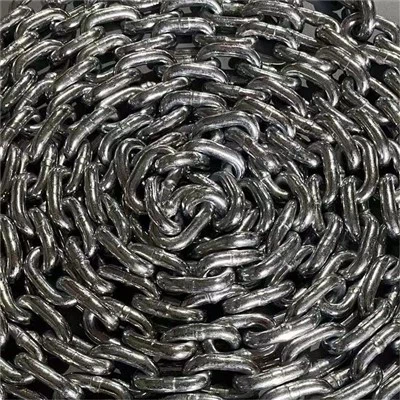
Lifting Chain

TAIAN AOTAI CHAIN COMPANY : Your Trustworthy Lifting Chain Manufacturer!

Our company was established in 2003 and is a production base specializing in manufacturing ring chains. Our products are widely used in automobiles, trains, ports, steel mills, petroleum, food machinery, tourism, parks, lifting, hoisting and other industries. And we can customize the processing according to users.

Products Widely Used

The products produced by our company can be widely used in automobiles, trains, docks, steel plants, petroleum machinery, food machinery, tourism, parks, lifting, hoisting, bundling and other industries.

Advanced Production Equipment

Our company has advanced equipment, such as fully automatic CNC steel bar straightening and cutting machines, chain flash butt welding machines, chain medium frequency quenching machines, hydraulic chain stretching machines, etc.

Rich Products

Our company can produce endless chains, lifting chains, stainless steel chains, ordinary chains, high-strength chains, livestock and poultry slaughtering chains, mining chains, cement elevator chains, traffic jam chains, guardrail chains, spare parts, etc.

Customizable

The products we produce can be OEM customized, and we provide technical support for chain installation, use and maintenance, answer customers' questions during chain use, and we provide product warranty services for a certain period of time.

What is Lifting Chain


A lifting chain is a type of chain used for lifting and lowering heavy loads using cranes, hoists, and other lifting devices. These chains are specifically engineered to handle significant tensile forces and are designed according to strict safety standards. Lifting chains come in various forms, including alloy steel chains, high-strength steel chains, and grade A, B, and D link chains, each with different load-bearing capacities.


Features of Lifting Chain

High Tensile Strength - Lifting chains are made from high-grade steel alloy and are heat treated to enhance their strength and durability, allowing them to withstand large amounts of weight without breaking.

High Safety Factor

Lifting chains have safety factors that typically range from 4:1 to 5:1. This means that a chain's safe working load limit (SWL) is a fraction of its actual breaking strength, ensuring that the chain can safely lift loads well below its point of failure.

Strong Corrosion Resistance

To prevent rust and extend the life of the chain, lifting chains are often coated with zinc (galvanized) or other protective coatings that are corrosion-resistant, especially in harsh environments.

Good Wear Resistance

Compared to general-purpose chains, the design of lifting chains includes stronger links and thicker steel to resist wear and tear from repeated use and abrasive substances.

Good Connection Point

Lifting chains are equipped with precision machined accessories such as hooks, eyebolts and shackles that allow them to be securely attached to lifting equipment and moving objects.


Types of Lifting Chain


Grade 80 Chains

Engineered for heavy lifting in demanding conditions, these chains excel in industries such as mining, construction, and offshore rigging. They have immense strength and durability, allowing them to withstand large loads.


Grade 100 Chains

These chains provide more strength than those of Grade 80 and are essential in heavy-duty lifting operations. These chains are often used in industries such as construction and mining due to the chain's durability and reliability.


Grade 120 Chains

These chains are designed for the most demanding lifting tasks and are indispensable in situations requiring extreme strength and durability. Grade 120 chains are often used in heavy construction and industrial settings.


Materials of Lifting Chain
 

Materials of Lifting Chain

Alloy steel chains are the most popular choice for lifting applications. They are made from a combination of steel and other elements like chromium, nickel, and molybdenum. Alloy steel chains offer excellent strength, toughness, and resistance to wear and corrosion.


Carbon Steel
Carbon steel chains are another common type used for lifting purposes. They are made from carbon and iron, with varying levels of carbon content. Carbon steel chains are generally less expensive than alloy steel chains but may not provide the same level of strength and corrosion resistance.


Carbon Steel
Carbon steel chains are another common type used for lifting purposes. They are made from carbon and iron, with varying levels of carbon content. Carbon steel chains are generally less expensive than alloy steel chains but may not provide the same level of strength and corrosion resistance.


Grade 80 and Grade 100 Chains
Grade 80 and Grade 100 chains are high-strength alloy steel chains specifically designed for lifting applications. These chains are manufactured to meet specific performance and safety standards, such as the American Society of Mechanical Engineers (ASME) B30.9 standard for lifting chains.


Benefits of Using Lifting Chain
High Strength Lifting Equipment

Load Stability

Lifting chains provide excellent load stability during lifting operations. Their design and construction help distribute the load evenly, minimizing the risk of load shifting or tipping.

Handling Chain

Ease Of Use

Lifting chains are relatively easy to handle and operate. They can be quickly attached to the load using hooks, shackles, or other lifting attachments. Lifting chains also provide a secure connection, minimizing the risk of load slippage during lifting operations.

Handling Chain

Durability

Lifting chains are made from strong and durable materials, such as alloy steel or stainless steel. These materials can withstand harsh working conditions, including exposure to chemicals, extreme temperatures, and abrasion, ensuring a longer service life.

Handling Chain

Safety

Lifting chains are designed with safety in mind. They are manufactured to meet specific industry standards and regulations, ensuring their reliability and performance. Lifting chains are also equipped with safety features, such as safety latches on hooks, to prevent accidental disengagement.


How to Choose Lifting Chain


Load Capacity
It is imperative to determine the maximum weight that the chain will bear. Chains with higher grades can handle heavier load capacities and tensile strength.

Environmental Conditions
You need to consider the environment where the chain will be used. For example, marine or corrosive environments may require chains with enhanced corrosion resistance, such as galvanised or stainless steel chains.

Industry Requirements
Different industries have differing regulations and standards for lifting equipment. It is important to ensure that your selected chain complies with industry-specific standards, certifications, and safety requirements.


How to Maintain Lifting Chain
Duck Killing Chain
Rabbit Killing Chain
Cutting Line Chain
Chain Of Austrian Origin

Periodic Inspection
Ensuring regular inspections is the first step in maintaining your lifting chain. And look for gouges, cuts or scuffs that could weaken the chain.


Environmental Factors
Environmental factors play a big part in the life span of your chains and can often lead to damage unseen by the naked eye. Practical knowledge and experience are required to understand thoroughly how your chains perform. Issues like hydrogen embrittlement (the deterioration of structural properties of solid metals due to the presence of hydrogen) lead to a severe risk of catastrophic chain failure but are very easy to overlook in an inspection if you are unaware of where your chains have been in use, how often they are in use, and unaware of small changes in the chains physical properties.


Proper Storage
When not in use, lifting chains should be stored in a dry, well-ventilated area away from direct sunlight and extreme temperatures on A-frames or wall racks. Lightly oil your chain before prolonged storage, and coil the chains loosely without kinks or twists to prevent unnecessary stress and deformation.


Proper Cleaning
It is essential to keep your lifting chain clean as dirt and grime can hide potential issues and accelerate wear. It is recommended to use a non-abrasive cleaner and a stiff brush to keep your chains clean. It is imperative to avoid corrosive substances as they can contribute to chain damage.


Lubrication
Lubrication reduces friction between the chain’s links, preventing wear and tear. Lubrication helps to maintain the smooth operation of the chains and extend their service life. Follow the manufacturer's recommendations for the type and frequency of lubrication.
 

Professional Inspection
In addition to regular self-inspections, it’s important to have your lifting chains inspected by a qualified professional at least once a year.


How to Use Lifting Chain
 
 
Routine Inspection

Before a chain sling is used, it is essential to inspect it for any signs of damage. Indicators of wear include stretched links, nicks, gouges, and heat damage.

 
Regular Maintainance

Regular inspections and maintenance are key to the longevity of your chain slings.

 
Proper Rigging

Make sure the load is well-balanced and secured before lifting. The chain sling should be rigged in a way that prevents twisting or knotting.

 
Abide By Load Limits

It is imperative to never exceed the chain sling's working load limit (WLL). This limit is calculated according to the sling's grade, size, and angle of use.

 
Verify the Load Balance

Ensure that the load is balanced and properly positioned before lifting. Adjust the lifting chain's position if necessary to ensure an even distribution of weight. Imbalanced loads can cause instability and pose a safety risk during lifting operations.

 
Lift the Load

Use appropriate lifting equipment, such as a crane or hoist, to lift the load. Apply a steady and controlled lifting force to avoid sudden movements or jerks. Monitor the lifting operation closely to ensure that the load remains stable and secure.

 
Lower the Load Safely

When lowering the load, do so in a controlled manner. Avoid sudden drops or releases that could cause the load to swing or impact other objects. Ensure that personnel are clear of the load's path during lowering.


Applications of Lifting Chain

Construction
Lifting chains are extensively used in construction sites for lifting and moving heavy materials and equipment. They are used in conjunction with cranes, hoists, or other lifting devices to lift items such as steel beams, concrete panels, prefabricated structures, and construction machinery.


Manufacturing and Industrial Settings
Lifting chains play a crucial role in manufacturing and industrial operations. They are used to lift and transport heavy machinery, components, and materials within factories and warehouses. Lifting chains are commonly used in assembly lines, material handling, and maintenance operations.


Shipping and Logistics
Lifting chains are used in shipping ports, docks, and warehouses for loading and unloading cargo containers, shipping crates, and other heavy items. They are often used in conjunction with container lifting spreaders or lifting beams to secure and lift containers onto ships or trucks.


Mining and Extraction
Lifting chains are employed in the mining industry for various lifting and hauling operations. They are used to lift heavy mining equipment, transport materials, and support underground mining activities. Lifting chains are designed to withstand harsh mining environments and heavy loads.


Oil and Gas Industry
Lifting chains are widely used in the oil and gas industry for lifting and moving equipment, pipes, and other heavy components. They are utilized in drilling operations, offshore platforms, refineries, and pipeline construction.


Power Generation
Lifting chains are essential in power plants, including nuclear, coal, and renewable energy facilities. They are used to lift and position heavy turbines, generators, transformers, and other equipment during installation, maintenance, and repair operations.


Automotive and Transportation
Lifting chains are utilized in automotive manufacturing plants, vehicle maintenance facilities, and transportation industries. They are used to lift and position heavy vehicles, engine blocks, chassis, and other automotive components.


Entertainment and Events
Lifting chains find applications in the entertainment industry for stage rigging, lighting, and sound equipment. They are used to lift and suspend heavy stage props, trusses, and equipment during concerts, theater productions, and other live events.


Certificate


productcate-1-1productcate-1-1productcate-1-1

productcate-1-1productcate-1-1productcate-1-1


Frequently Asked Questions


Q: What are lifting chains, and what are they used for?

A: Lifting chains are robust, versatile tools commonly utilized in industries such as construction, manufacturing, and maritime operations to lift, secure, or pull heavy loads. They consist of interlinked metal links designed to bear substantial tensile forces, ensuring the safety and efficiency of lifting operations.

Q: What materials are lifting chains typically made from?

A: High-grade alloy steel, specifically Grade 80, is the most prevalent material for lifting chains due to its exceptional strength and durability. Other materials include high-strength low-alloy (HSLA) steels for lighter yet robust applications, stainless steel for environments requiring corrosion resistance, and occasionally nickel alloys for specialized, highly corrosive conditions.

Q: How do you select the appropriate lifting chain for a specific application?

A: Selecting the correct lifting chain involves considering factors such as the weight and nature of the load, environmental conditions, required working length, and the presence of any chemical or corrosive elements. It's crucial to refer to load charts and manufacturer guidelines to ensure the chosen chain has sufficient capacity to handle the intended loads safely.

Q: What is the difference between proof coil and heat-treated chains?

A: Proof coil chains undergo a process where they are coiled and stretched to test their strength and elongation. Heat-treated chains, on the other hand, are subjected to a thermal treatment process that enhances their mechanical properties, resulting in greater strength and hardness. The choice between the two depends on the specific requirements of the application.

Q: How often should lifting chains be inspected, and what should inspectors look for?

A: Regular inspections are vital for maintaining the integrity and safety of lifting chains. Visual inspections should be conducted before every use, looking for signs of wear, deformation, rust, stretching, or any damage that could compromise the chain's performance. More detailed inspections should occur annually or as recommended by the manufacturer, involving thorough checks and measurements to detect potential issues.

Q: What are the common types of lifting chain fittings and connectors?

A: Lifting chains are often equipped with various fittings and connectors, including hooks, shackles, and links, to facilitate attachment and secure lifting points. Hooks are available in forged and swivel types, providing flexibility and reducing the risk of twisting. Shackles come in bolted, screw pin, and D-rings, offering different strengths and configurations for diverse lifting scenarios.

Q: What safety measures should be taken when using lifting chains?

A: Safety is paramount when using lifting chains. Users should follow the manufacturer's instructions, never exceed the working load limit, avoid using damaged or altered chains, and ensure proper attachment to the load. Personal protective equipment (PPE) such as gloves and safety glasses should be worn, and clear communication should be maintained among team members involved in lifting operations.

Q: How do you properly store lifting chains to prevent damage?

A: Proper storage of lifting chains is essential to maintain their condition and longevity. Chains should be stored off the ground, away from moisture, chemicals, and direct sunlight, in a dry, clean environment. They should also be hung or placed on racks to prevent kinking, knotting, or contact with sharp objects that could cause abrasion or deformation.

Q: What are the implications of exceeding the working load limit of a lifting chain?

A: Exceeding the working load limit (WLL) of a lifting chain can result in catastrophic failure, possibly resulting in serious injury or death, as well as damage to property and equipment. Overloading a chain compromises its structural integrity and can lead to sudden breaks, loss of control, and unpredictable behavior of the load during lifting operations.

Q: How does environmental conditions affect the performance and lifespan of lifting chains?

A: Environmental factors such as temperature extremes, humidity, corrosive substances, and UV radiation can significantly impact the performance and lifespan of lifting chains. High temperatures can reduce material strength, while cold environments can make chains brittle and prone to cracking. Corrosive elements can weaken the chain over time, and UV radiation can degrade coatings and protective finishes.

Q: What is the difference between a single and double leg lifting chain?

A: A single leg lifting chain consists of a single continuous loop of chain with one hook at each end, designed for simple lifting tasks where the load is centered and balanced. A double leg lifting chain, on the other hand, features two separate loops of chain connected by a master link, providing additional support and stability for heavier or more complex lifts.

Q: Can lifting chains be welded or modified?

A: Modifying or welding lifting chains is strongly discouraged as it can alter their original design and intended strength characteristics, leading to unsafe conditions. Any alterations can compromise the chain's integrity and void warranties. If a chain requires repair or customization, it should be done by a qualified professional following strict safety standards.

Q: What are the regulations and standards governing the use of lifting chains?

A: Various regulations and standards govern the use of lifting chains, such as OSHA (Occupational Safety and Health Administration) in the United States, and international standards like ISO (International Organization for Standardization). These regulations stipulate the safe use, inspection, maintenance, and certification of lifting equipment, including chains, to ensure workplace safety.

Q: How do you determine the working load limit of a lifting chain?

A: The working load limit (WLL) of a lifting chain is determined by the manufacturer based on the material specifications, dimensions, and strength of the chain. The WLL is usually marked on the chain or provided in the product documentation. It represents the maximum load the chain can safely lift and should never be exceeded under any circumstances.

Q: What is the expected lifespan of a lifting chain, and how can it be extended?

A: The lifespan of a lifting chain depends on several factors, including usage frequency, environmental conditions, and maintenance practices. Typically, a well-maintained chain may last several years. Extending its lifespan involves regular inspections, proper storage, avoiding exposure to harsh conditions, and timely replacement of worn or damaged components.

Q: Can lifting chains be used with other lifting devices?

A: Lifting chains can be used in conjunction with other lifting devices, such as hoists, cranes, and slings, to facilitate the handling of heavy loads. When combined with other equipment, it's essential to ensure compatibility, proper rigging, and adherence to the WLL of all components involved in the lifting operation.

Q: How do you dispose of old or damaged lifting chains?

A: Disposing of old or damaged lifting chains should be done in accordance with local waste management regulations. Due to their potential hazardous nature, they should not be discarded as regular scrap metal. Instead, they should be taken to a designated recycling facility or waste disposal center that can properly handle and recycle the materials.

Q: What training is required to operate lifting chains safely?

A: Operators of lifting chains should receive adequate training to understand the safe handling, inspection, and use of the equipment. This includes learning about the relevant regulations, identifying the correct lifting techniques, recognizing the signs of wear and damage, and knowing when to seek assistance from qualified personnel.

Q: How do you certify the integrity of a lifting chain?

A: Certification of a lifting chain typically involves testing its strength and integrity through a series of controlled procedures. This may include non-destructive testing methods such as visual inspections, magnetic particle inspections, or ultrasonic thickness measurements. After passing these tests, the chain is issued a certificate of compliance by a certified inspection agency.

Q: What is the difference between a grade 70 and grade 80 lifting chain?

A: Grade 70 and grade 80 lifting chains differ in their minimum tensile strength ratings; grade 70 chains have a minimum tensile strength of 70,000 psi, while grade 80 chains have a minimum tensile strength of 80,000 psi. This means that for the same size and weight, a grade 80 chain will generally be stronger and able to handle higher loads compared to a grade 70 chain. The choice between the two depends on the specific requirements of the lifting task and the necessary safety margins.

We're well-known as one of the leading lifting chain manufacturers in China. If you're going to wholesale discount lifting chain, welcome to get quotation from our factory. Also, customized service is available.

Ring Chain, Lifting Chain, Train Chain

(0/10)

clearall