


Lifting Chains With Hooks
High-strength sling chains are specialized types of chains used in lifting and rigging operations. They are designed to endure substantial loads and are constructed with high-grade steel materials, such as alloy steels, to ensure maximum strength and durability. The most common grades for high-strength sling chains are Grade 80 and Grade 100, with Grade 120 becoming increasingly popular due to its even higher strength capabilities.
TAIAN AOTAI CHAIN COMPANY : Your Trustworthy High Strength Sling Chain Manufacturer!
Our company was established in 2003 and is a production base specializing in manufacturing ring chains. Our products are widely used in automobiles, trains, ports, steel mills, petroleum, food machinery, tourism, parks, lifting, hoisting and other industries. And we can customize the processing according to users.
Products Widely Used
The products produced by our company can be widely used in automobiles, trains, docks, steel plants, petroleum machinery, food machinery, tourism, parks, lifting, hoisting, bundling and other industries.
Advanced Production Equipment
Our company has advanced equipment, such as fully automatic CNC steel bar straightening and cutting machines, chain flash butt welding machines, chain medium frequency quenching machines, hydraulic chain stretching machines, etc.
Rich Products
Our company can produce endless chains, lifting chains, stainless steel chains, ordinary chains, high-strength chains, livestock and poultry slaughtering chains, mining chains, cement elevator chains, traffic jam chains, guardrail chains, spare parts, etc.
Customizable
The products we produce can be OEM customized, and we provide technical support for chain installation, use and maintenance, answer customers' questions during chain use, and we provide product warranty services for a certain period of time.

Lifting short loop chain refers to a type of chain designed for lifting applications where a looped configuration is required at one or both ends of the chain. This configuration allows for easy attachment to lifting points such as eyes, shackles, or other fittings. The "short" aspect indicates that the looped section is relatively small when compared to other types of chain slings, which may have longer loops or multiple legs. The short loop chains are typically manufactured from high-grade steel materials like Grade 80 or Grade 100, ensuring they have sufficient tensile strength and durability for lifting operations. The chains are forged or welded together and heat-treated to enhance their strength and resistance to wear. The loops are formed by welding a link closed to create a continuous loop, and this process must be done with precision to maintain the integrity of the chain.

Hoisting machinery is a class of mechanical devices specifically designed for lifting, lowering, and transporting materials or objects vertically or horizontally within various industrial, construction, and manufacturing environments. This category encompasses a wide range of equipment, each serving different purposes and operating under varying capacities.

A brake chain is a specialized type of chain used in conjunction with braking systems to control motion or provide an emergency stop. It operates by converting the kinetic energy of a moving system into thermal energy through friction. This is achieved when the chain engages with a drum or wheel, applying pressure and creating resistance that slows down or halts the motion of the system. Brake chains are commonly found in applications such as elevators, lifts, escalators, and conveyor systems, where precise control over movement is essential for safety and operation. They can also be part of the emergency brake systems in vehicles, particularly in older models or heavy machinery where disc or drum brakes are not present or need supplementary braking power.

In the context of engineering, particularly in the realm of mechanical systems and transportation, a train chain is a series of interconnected chain segments used in various applications. The term "train" in this sense refers to a sequence or assembly of similar components linked together.

Boiler chain is a component used in steam boilers, particularly in the fire tube or water tube boiler designs, where it serves as a critical element in the conveying of fuel or ash within the boiler. The chain acts as a mechanism to transfer heat from the combustion chamber to the water or steam in the tubes by moving the fuel or ash across the hot surfaces. In a chain grate stoker system, which is commonly used in coal-fired boilers, the boiler chain is part of the stoking mechanism. The chain grate consists of a series of linked metal plates that form a conveyor belt. As the chain moves, it pulls fresh coal onto the grate and pushes the spent or burnt coal toward the ash hopper. The movement ensures constant feeding of coal into the firebox while also maintaining proper airflow around the fuel for efficient combustion.

Mining car chains are heavy-duty chains used in the mining industry to transport materials such as ore, rock, and coal within mines. They are attached to mining cars or carts that run on tracks or rails deep underground or at surface mining operations. The primary function of these chains is to pull or push loaded mining cars along the tracks, facilitating the movement of raw materials from the extraction site to processing facilities or to the surface for further transport. Mining car chains are engineered to withstand extreme conditions, including heavy loads, abrasion, corrosion, and impact. They are usually made of high-strength steel alloys that offer durability and resistance to wear. The design of mining car chains varies depending on the specific requirements of the mining operation, but they often feature robust link designs and may include additional features such as heat treatment for increased hardness and longevity.

Lifting drags with chains are a type of equipment used in the oilfield services industry during the drilling process. They consist of a frame or drag body equipped with one or more chains that are used to lift, move, or stabilize sections of the drill string, casing, or other heavy equipment. The chains serve as the primary means of attachment and are selected based on the weight and nature of the material being handled. These drags are integral to the logistics of drilling operations, enabling engineers and rig crews to manage the complex task of moving large and heavy components in a controlled manner. They can be attached to cranes, hoists, or other lifting mechanisms to facilitate the precise positioning of the drill string or casing during the drilling, completion, and workover phases of oil and gas wells.

Handling chain is a type of chain used for lifting, pulling, towing, or securing various objects and equipment in industrial, commercial, and maritime environments. It is specifically designed for manual handling by workers, although in some cases, it can also be used with mechanical lifting devices. These chains are typically made of high-strength steel alloys to ensure durability and safety under heavy loads. They come in various grades, with common ones being Grade 70, Grade 80, and Grade 100, indicating the minimum breaking strength of the chain in accordance with international standards. The higher the grade number, the stronger the chain.

High Strength Lifting Equipment
High strength lifting equipment refers to tools and machinery designed for the purpose of lifting heavy loads in various industrial settings. These equipment pieces are engineered using high-strength materials such as high-grade steel alloys, which allow them to handle significant weights safely and efficiently. The term 'high strength' denotes the equipment's ability to withstand stresses beyond the capacity of standard materials.
What is High Strength Sling Chain
High-strength sling chains are specialized types of chains used in lifting and rigging operations. They are designed to endure substantial loads and are constructed with high-grade steel materials, such as alloy steels, to ensure maximum strength and durability. The most common grades for high-strength sling chains are Grade 80 and Grade 100, with Grade 120 becoming increasingly popular due to its even higher strength capabilities.
Features of High Strength Sling Chain
Heat Treatment
To improve strength and durability, high-strength chains often undergo heat treatment processes such as quenching and tempering, which change the microstructure of the steel.
Surface Coating
Many high-strength chains are coated with zinc (galvanized) or painted to prevent corrosion and extend service life, especially in harsh environments.
Rated Load
High-strength lifting chains have clearly marked working load limits (WLL) and safety factors indicating the maximum allowable weight for safe lifting operations.
Durability
The construction and materials used in high-strength sling chains enable them to withstand repeated use and harsh working conditions without deterioration.
Versatility
Due to its strength and flexibility, high-strength sling chains can be used in a variety of lifting scenarios, including vertical lifting, horizontal pulling and angles, and can be adapted to different configurations using a variety of attachments.
Alloy Steel Chains
Alloy Steel Chains are made from high-strength alloys, offering excellent wear resistance, corrosion resistance, and fatigue life. They are commonly used in applications where the environment is challenging or when there is a risk of abrasion or exposure to chemicals.
Carbon Steel Chains
Carbon Steel Chains are made from carbon steel and are known for their high tensile strength and cost-effectiveness. They are widely used in general lifting applications but may not be as resistant to corrosion as alloy steel chains.
Stainless Steel Chains
Stainless steel chains offer superior corrosion resistance compared to carbon steel and alloy steel chains. This makes them ideal for use in marine environments or other situations where exposure to moisture and salts is common.
Grade 70 Chains
Grade 70 Chains have a nominal breaking strength of 70,000 psi. They are lighter than Grade 80 or Grade 100 chains and are often used in applications where weight is a concern, such as aircraft recovery.
Grade 80 Chains
As mentioned earlier, Grade 80 chains have a nominal breaking strength of 80,000 psi. They are one of the most commonly used types of high-strength chains due to their balance of strength and weight.
Grade 100 Chains
Grade 100 Chains have a nominal breaking strength of 100,000 psi and are among the strongest available for lifting purposes. They are typically used in heavy-duty applications where maximum strength and safety are critical.
Materials of High Strength Sling Chain

Carbon Steel
Due to its high strength and relatively low cost, this is the most common material for hanging chains. It is primarily composed of iron and carbon, with small amounts of other alloying elements such as manganese, silicon and chromium to increase its strength and hardness. Through heat treatment processes such as quenching and tempering, the mechanical properties of carbon steel can be significantly improved to meet the needs of high-strength applications.
Alloy Steel
Alloy steel contains additional elements such as vanadium, molybdenum and nickel, which help increase strength, toughness and wear resistance. These elements help steel perform better under extreme conditions, such as high temperatures or exposure to corrosive substances. Alloy steel is often used in applications where the chain will withstand harsh environments or where increased durability is required.
Stainless Steel
Stainless steel chains are made from a steel alloy containing at least 10.5% chromium. Chromium reacts with oxygen in the air to form a protective layer of chromium oxide, inhibiting further corrosion. Stainless steel chains offer excellent resistance to rust and stains, making them suitable for use in environments where the chain may come into contact with water or corrosive chemicals. Commonly used types of stainless steel used in lifting chains include austenitic stainless steel (such as 304 and 316), martensitic stainless steel, and ferritic stainless steel.
Heat Treated Steel
Heat treatment is a process that involves heating and cooling metal to change its microstructure and improve its mechanical properties. Quenching and tempering are common heat treatment processes that can significantly increase the strength and toughness of steel chains, allowing them to withstand heavier loads and resist deformation under stress.

Benefits of Using High Strength Sling Chain
High Temperature Resistance
Our slings maintain their strength in extremely high temperatures where other slings cannot. For example, they can withstand higher operating temperatures of up to 400 degrees Fahrenheit.
Safer Lifting
Our links undergo individual verification testing to ensure their working load limits. These rigging chains offer superior strength, meet U.S. ANSI, NACM, ASTM and OSHA standards and are safe for use in overhead lifting operations.
Working Load Limit
High Strength Sling Chain working load limit is its maximum working load as specified by its manufacturer. Simply put, it's the highest weight the chain sling can handle under normal conditions. Every time you evaluate different types of High Strength Sling Chain for your lifting operation, consider the weight and strength of the load. Heavier loads will generally require chain slings with higher WLLs, so be sure to check the manufacturer's recommendations before use.
Temperature Limits
Many chain slings can be heated to nearly 1000 degrees Fahrenheit, making them fit for use in steel factories, heavy machinery workshops, and other environments with harsher temperature conditions. However, anything beyond this limit could lead to catastrophic consequences. If you plan to use chain slings in extreme environmental conditions, check the temperature standards well in advance. The sling should be able to withstand high heat without stretching or melting.
Sling Ratings
Most chain slings come with industrial ratings indicating the specific conditions of their use (temperature, load, and how the slings will be attached to the loads). Check whether the chain sling's ratings meet your needs. Otherwise, you could be looking at a potential disaster.
The Load's Center Of Gravity
The load's center of gravity also plays a crucial role in determining which alloy chain you should use. Unless the master link or hook is directly over the center, the load will be off-balance. You may have to adjust the load repeatedly to find its center of gravity, so make sure the chain sling doesn't stretch or wear out early on.
How to Use High Strength Sling Chain


Inspection
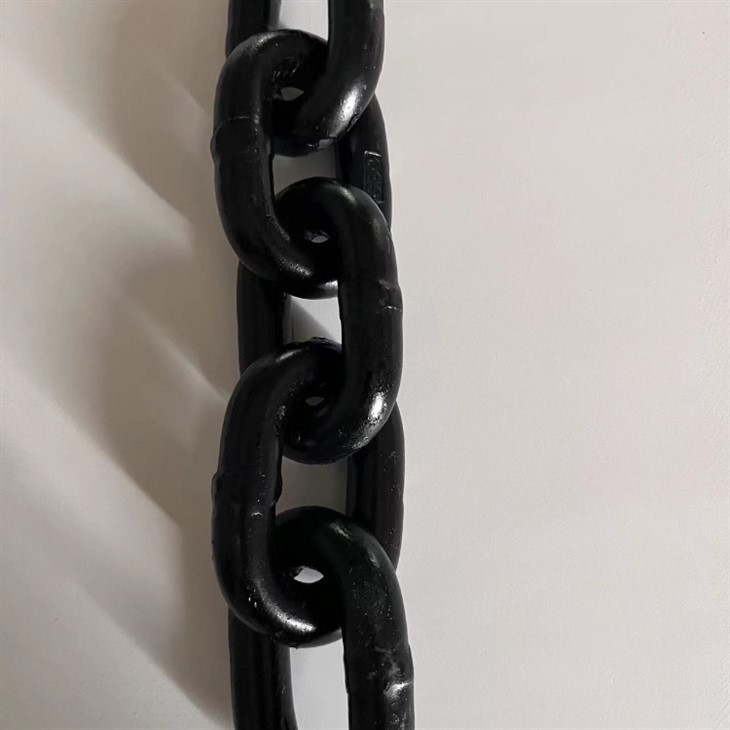
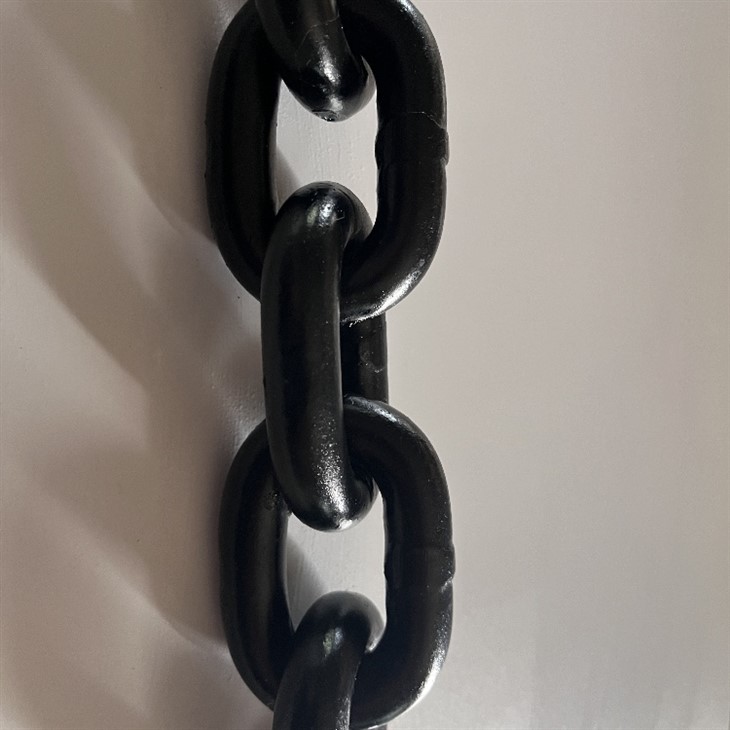
Before using the chain, conduct a thorough visual inspection for any visible damage, such as cracks, severe stretching, abrasions, gouges, corrosion, or wear beyond the manufacturer's limits. If damage is detected, the sling should be taken out of service and replaced.
Load Capacity
Verify the working load limit (WLL) of the sling chain. The WLL is the maximum load the sling can safely lift and is usually marked on the chain. Never exceed this limit.
Configuration
Choose the appropriate configuration for the lifting operation. Common configurations include single leg, double leg, basket hitch, choker hitch, and vertical bridle. Ensure the configuration is suitable for the shape and weight of the load being lifted.
Attachment Points
Select appropriate attachment points on both the load and the lifting device. Attachment points must be strong enough to support the weight of the load without failing. Avoid sharp edges that could cut or abrade the chain.
Lifting Operation
When lifting the load, ensure the chain is centered and balanced to prevent tipping or swinging. Operate the lifting equipment smoothly and avoid sudden movements.
Handling Precautions
Do not drag the chain across rough surfaces, as this can cause damage. Always handle the chain with care to prevent bending or twisting, which could weaken it.
Storage
After use, clean the chain to remove any debris or contaminants. Store the chain in a dry, clean area away from direct sunlight and extreme temperatures to prevent corrosion and extend its life.
Maintenance and Inspection
Regularly maintain and inspect the chain according to the manufacturer's recommendations and industry standards. Keep maintenance records to track the history of inspections and servicing.
Certification and Training
Ensure that personnel using high-strength sling chains are properly trained and certified in the correct lifting techniques and safety procedures.
Certificate


Frequently Asked Questions
Hot Tags: lifting chains with hooks, China lifting chains with hooks manufacturers, factory, Poultry Slaughter Chain, Coal Mine Fittings Chain, Rabbit Killing Chain, Plastic Nylon Slaughter Line Trolley Chain, Hoisting Machinery, Double Leg Sling


Send Inquiry
