

What are the implications of the Duck Killing Chain for international trade?
Nov 04, 2025
Hey there! I'm a supplier of the Duck Killing Chain. You might be wondering, what on earth are the implications of this chain for international trade? Well, let's dive right in and explore this topic.
First off, let's talk about what a Duck Killing Chain is. It's a specialized chain used in the duck - slaughtering industry. We're talking about High Strength Alloy Steel Slaughter Chain, which is made of high - strength alloy steel. This type of chain is designed to be durable, able to withstand the rigors of the slaughtering process day in and day out.
Now, when it comes to international trade, the Duck Killing Chain has some pretty significant implications. One of the major factors is demand. In many countries, duck is a popular food item. For example, in Asia, especially in China and Vietnam, duck is a staple in many traditional dishes. As the demand for duck meat grows in these regions, the demand for efficient and reliable slaughtering equipment, including the Duck Killing Chain, also goes up.
This increased demand from different countries creates a great opportunity for international trade. As a supplier, I've seen the market expand beyond my local area. I'm now dealing with customers from all over the world. The High Strength Alloy Steel Chain that I supply is in high demand because of its quality and durability. It can handle a large volume of slaughtering operations, which is crucial for large - scale duck farms and processing plants.

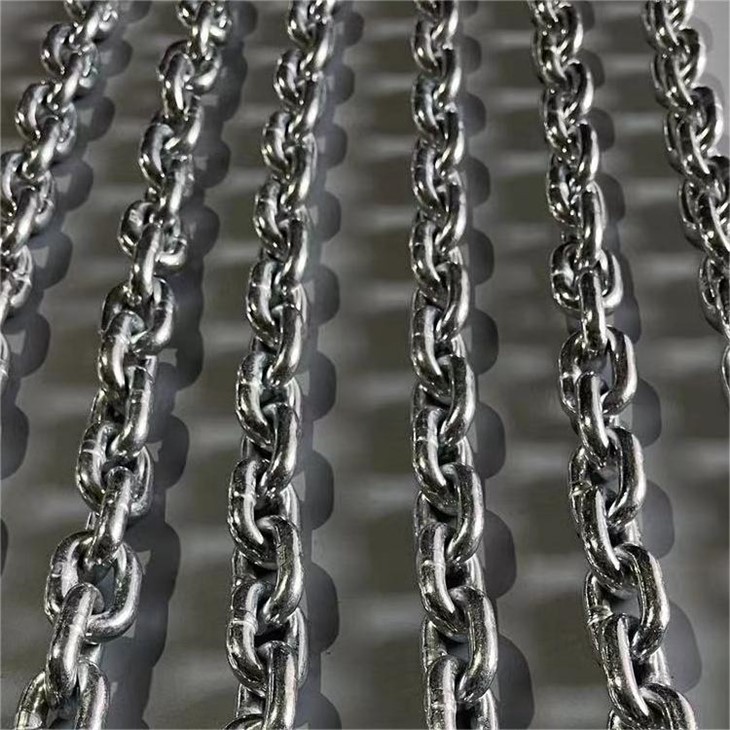
Another implication is the competition. With the growth of international trade, there are more and more suppliers entering the market. Some might offer lower - priced chains, but the quality might not be as good as ours. As a supplier, I have to constantly work on improving my products and services to stay competitive. I invest in research and development to make sure that my High Strength Alloy Steel Slaughter Chain is always up - to - date with the latest technology and meets the highest standards.
Quality standards also play a huge role in international trade. Different countries have different regulations and standards for food processing equipment. For the Duck Killing Chain, it has to meet strict hygiene and safety requirements. This means that as a supplier, I need to be well - informed about these regulations in each target market. I have to ensure that my products are compliant with all the relevant standards, whether it's the European Union's strict food safety regulations or the specific requirements in the United States.
Logistics is another aspect that can't be ignored. Shipping the Duck Killing Chain overseas can be a complex process. There are issues like shipping costs, customs clearance, and delivery times. I've had to work closely with shipping companies and logistics providers to make sure that my products reach my customers in a timely and cost - effective manner. Sometimes, delays in shipping can cause problems for my customers, especially if they have a large - scale slaughtering operation that depends on the chain.
Cultural differences also have an impact on international trade. In some cultures, the way animals are slaughtered is a sensitive issue. For example, in some religious communities, there are specific requirements for the humane slaughter of animals. As a supplier, I need to be aware of these cultural sensitivities and make sure that my products can be used in a way that respects these beliefs. This might involve providing additional information or modifications to the chain to meet these specific needs.
Now, let's talk about the economic implications. International trade of the Duck Killing Chain can contribute to the economic growth of both the exporting and importing countries. For the exporting country, it means more jobs in the manufacturing and related industries. In my case, I've had to hire more workers to meet the increasing demand for my chains. This not only benefits my business but also has a positive impact on the local economy.
For the importing countries, it can lead to cost savings and improved efficiency in the duck - slaughtering industry. By importing high - quality Duck Killing Chains, they can reduce the downtime caused by equipment failures and increase the overall productivity of their slaughtering operations. This, in turn, can lead to lower costs for duck meat production and potentially lower prices for consumers.
In addition, international trade can also promote technological exchange. When I deal with customers from different countries, I get to learn about new technologies and best practices in the industry. I can then incorporate these ideas into my own product development, which benefits not only my business but also the entire industry.
However, there are also some challenges. One of the biggest challenges is currency fluctuations. The value of different currencies can change rapidly, which can affect the profitability of international trade. For example, if the currency of the importing country depreciates against my local currency, it might become more expensive for them to buy my Duck Killing Chains. This can lead to a decrease in demand and potentially affect my business.
Another challenge is trade barriers. Some countries might impose tariffs or quotas on imported Duck Killing Chains. These trade barriers can make it more difficult and expensive for me to sell my products in these markets. I have to constantly monitor these trade policies and look for ways to overcome these barriers, such as finding local partners or exploring alternative markets.
In conclusion, the Duck Killing Chain has far - reaching implications for international trade. It offers great opportunities for suppliers like me to expand our business globally, but it also comes with a set of challenges. As the demand for duck meat continues to grow around the world, the importance of the Duck Killing Chain in international trade is only going to increase.
If you're in the duck - slaughtering industry and are looking for a reliable supplier of high - quality Duck Killing Chains, I'd love to have a chat with you. Whether you're a small - scale farm or a large - scale processing plant, I can provide you with the right solution for your needs. Let's talk about how we can work together to make your slaughtering operations more efficient and profitable.
References
- Industry reports on the global duck - meat market
- Research papers on international trade of food - processing equipment
- Interviews with industry experts and stakeholders in the duck - slaughtering industry