


Polishing Poultry Stainless Steel Slaughter Chain For Slaughter Line Equipment
TAIAN AOTAI CHAIN COMPANY : Your Trustworthy High Strength Stainless Chain Manufacturer! Our company was established in 2003 and is a production base specializing in manufacturing ring chains. Our products are widely used in automobiles, trains, ports, steel mills, petroleum, food machinery,...
TAIAN AOTAI CHAIN COMPANY : Your Trustworthy High Strength Stainless Chain Manufacturer!
Our company was established in 2003 and is a production base specializing in manufacturing ring chains. Our products are widely used in automobiles, trains, ports, steel mills, petroleum, food machinery, tourism, parks, lifting, hoisting and other industries. And we can customize the processing according to users.
Products Widely Used
The products produced by our company can be widely used in automobiles, trains, docks, steel plants, petroleum machinery, food machinery, tourism, parks, lifting, hoisting, bundling and other industries.
Advanced Production Equipment
Our company has advanced equipment, such as fully automatic CNC steel bar straightening and cutting machines, chain flash butt welding machines, chain medium frequency quenching machines, hydraulic chain stretching machines, etc.
Rich Products
Our company can produce endless chains, lifting chains, stainless steel chains, ordinary chains, high-strength chains, livestock and poultry slaughtering chains, mining chains, cement elevator chains, traffic jam chains, guardrail chains, spare parts, etc.
Customizable
The products we produce can be OEM customized, and we provide technical support for chain installation, use and maintenance, answer customers' questions during chain use, and we provide product warranty services for a certain period of time.

High Strength Stainless Steel Slaughter Chain
High-strength stainless steel slaughter chains are specialized components used in the meat processing industry for the handling, transportation, and processing of carcasses during the slaughtering process. These chains are designed to be highly durable and resistant to corrosion, ensuring longevity and reliability even in the harsh conditions of a slaughterhouse. The material composition of high-strength stainless steel typically includes chromium, nickel, and molybdenum, which provide excellent corrosion resistance and strength. The alloy also offers improved hygiene compared to traditional materials, as it is less likely to harbor bacteria and is easier to clean and sanitize. This is crucial in the food processing industry to prevent contamination and ensure food safety.

A slaughter conveyor chain is an integral component of the automated systems used in modern slaughterhouses and meat processing plants. It serves the critical function of transporting animal carcasses from one stage of the processing line to the next with efficiency and minimal manual intervention. Engineered to handle the weight and movement of carcasses, these conveyors are typically made from robust materials such as high-strength stainless steel or other corrosion-resistant metals. The choice of material ensures durability, easy cleaning, and compliance with strict hygiene standards required in the food industry.

In the context of agriculture, particularly within the realm of livestock processing, a "slaughter chain" refers to the sequence of operations and equipment involved in the slaughtering process of animals, such as cattle, pigs, sheep, goats, and poultry. The term encompasses the entire process from the moment animals arrive at the facility until the final products are ready for packaging or further processing.

A slaughter line chain, commonly referred to as a conveyor chain or a kill chain, is a system used in meatpacking facilities to efficiently move carcasses through various stages of the slaughter process. This automated or semi-automated process involves multiple phases, including stunning, exsanguination (bleeding), scalding, dehairing (for hogs), evisceration, splitting, chilling, and cutting into smaller pieces. The chain itself is a series of interlinked metal components designed to support and transport the carcasses while minimizing contact with human workers. The use of a conveyor chain allows for a controlled and continuous flow of product, enhancing throughput and ensuring that each step in the process can be performed in a timely and consistent manner.

The poultry slaughter chain is a mechanized process specifically designed for the efficient and humane killing, processing, and preparation of chickens, turkeys, ducks, or other birds raised for consumption. This process is carefully regulated to comply with both animal welfare standards and food safety regulations.

An assembly line chain is a fundamental component of an assembly line system, a manufacturing process where individual parts are sequentially assembled into a finished product. This type of production line is characterized by its continuous flow and division of labor, allowing each worker or station to focus on a specific task. The chain itself is a loop of interconnected metal links, often driven by motors and gears, that moves at a constant speed. It provides the platform upon which products or components are transported from one workstation to the next. The design of the chain can vary depending on the requirements of the assembly process; some chains are simple and flat, while others have hooks or other mechanisms for hanging items.

Plastic Nylon Slaughter Line Trolley Chain
A plastic nylon slaughter line trolley chain is a type of conveyance system used in the meat processing industry, specifically designed for the transportation of carcasses or animal parts during the slaughtering and butchering processes.

A chicken hook chain is a specialized type of conveyor system used in the poultry processing industry for the transportation of chickens through various stages of slaughter and processing. This chain consists of a series of hooks that are attached to the carcasses of chickens. The hooks are then connected to a moving chain that carries the chickens from one processing station to another. The design of the chicken hook chain allows for efficient handling of the birds during the evisceration, chilling, and other processing stages. The hooks are typically made from stainless steel to prevent rust and ensure hygiene, which is crucial in the food processing environment.
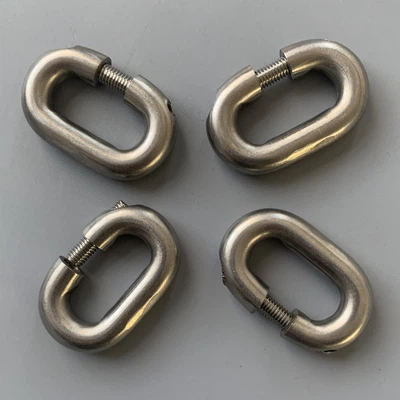
Stainless Steel Connecting Ring
A stainless steel connecting ring is a mechanical fastening component used to join two or more parts together, typically in a circular or cylindrical arrangement. Stainless steel is chosen for its corrosion resistance and strength, making it suitable for applications where durability and hygiene are important, such as in the food processing industry, medical devices, and marine environments. These connecting rings are manufactured from various grades of stainless steel, such as 304 or 316, which offer different levels of resistance to chemicals and heat. The rings can be solid, perforated, or have other features depending on their intended use. They may be used to connect rods, shafts, or other cylindrical objects, providing a reliable and secure joint that can withstand stress and strain.
Materials of High Strength Stainless Chain

Austenitic Stainless Steel
This is the most widely used grade due to its excellent corrosion resistance and formability. It contains chromium and nickel, which provide good strength in high temperatures and many corrosive environments.
Austenitic Stainless Steel
Similar to Grade 304, but with the addition of molybdenum, this grade offers greater corrosion resistance, particularly against chlorides and other industrial solvents. It is often used in more demanding environments such as the marine industry.
Martensitic Stainless Steel
These grades contain chromium, which can be hardened by heat treatment. They offer better strength than austenitic grades, but have lower corrosion resistance. They are used in applications where greater strength and wear resistance are required and corrosion is not a major issue.
Ferritic Stainless Steel
Ferritic stainless steel contains chromium but no nickel, has moderate corrosion resistance and is magnetic. They are cheaper than austenitic grades and are used where cost is a concern and corrosion resistance is moderate.
Duplex Stainless Steel
This is a stainless steel series that combines the characteristics of austenitic stainless steel and ferritic stainless steel, with high strength, excellent corrosion resistance and good weldability. Grades such as 2205 are becoming increasingly popular in applications requiring high strength and resistance to chloride stress corrosion cracking.
Marine Grade Stainless Steel
Specifically formulated to resist the harsh conditions of seawater, these grades contain high levels of chromium, nickel and molybdenum. Examples include AL-6XN, 904L, and 254 SMO.

How to Choose High Strength Stainless Chain
Purpose Of Use
When purchasing a stainless steel chain, understanding its intended use is pivotal. For jewelry, the chain needs to complement the pendant both aesthetically and in terms of weight-bearing. A dainty chain might not suit a heavy pendant, while a bulky chain might overpower a delicate one. For industrial purposes, factors such as the chain's load-bearing capacity, environment, and frequency of use take center stage. Maritime applications, for instance, demand chains that can withstand prolonged exposure to saltwater, emphasizing the importance of a chain's corrosion resistance.
Chain Design and Styles
The design of a stainless steel chain is more than just its aesthetic appeal-it speaks to its functionality. Different link styles, like box, cable, curb, or rope, offer varied strengths and appearances, catering to diverse tastes and uses. Considering chain thickness and length is equally crucial. While thicker chains generally promise higher durability, their weight and appearance might not be suitable for every purpose. Likewise, the chain's length can influence both its functionality and style quotient.
Tensile Strength
Tensile strength-the maximum amount of tensile stress a material can withstand without breaking-is vital when evaluating a chain's suitability. For applications requiring the chain to bear significant weight or force, understanding its tensile strength becomes non-negotiable.
Corrosion Resistance
While stainless steel inherently resists corrosion, different grades offer varying levels of protection. Understanding these differences becomes crucial when the chain is used in environments prone to corrosive elements.
How to Use High Strength Stainless Chain


Choose
Select a chain with the appropriate strength, corrosion resistance, and material grade based on the intended use. Make sure it meets necessary industry standards and certifications.
Rated Capacity
Never exceed the chain's working load limit (WLL) or breaking strength. Be sure to refer to the manufacturer's specifications for safe workloads.
Install
Install the chain according to the manufacturer's instructions. This may involve attaching hooks, shackles or other accessories. Make sure all components are compatible with the chain and have the same workload limits.
Examine
Check the chain regularly for signs of wear, corrosion, deformation or stretching. Pay attention to critical areas such as weld joints, pins, and bushings. Replace any damaged parts immediately.
Lubricating
Apply a suitable lubricant to your chain to reduce friction and wear, extend service life, and prevent rust and corrosion. Follow the manufacturer's recommendations for lubricant type and frequency of use.
Handle
When handling the chain, wear gloves to protect your hands from sharp edges and to prevent oil or dirt from your skin from contaminating the chain.
Tension
If using chains in a tensioning system, ensure proper tensioning. Over-tightening can cause excessive wear, while over-tightening can cause slippage or failure.
Store
Store chain in a dry, clean environment away from corrosive substances and extreme temperatures. Hang the chain to prevent kinks and keep it off the ground to avoid contamination.
Safety
When using chains, use appropriate personal protective equipment (PPE) and follow all safety protocols to prevent injury.
How to Maintain High Strength Stainless Chain
Regular Inspections
Inspect the chain before each use and at least once per month for general wear and tear. Look for signs of corrosion, rust, abrasions, cracks, and stretching. Check the integrity of the welds, pins, and links. Pay special attention to areas that are subject to high stress or repeated motion.
Proper Handling
Wear gloves to protect your hands and to prevent contaminating the chain with oils, acids, or other substances. Avoid dragging the chain on the ground or allowing it to come into contact with harsh chemicals or abrasive materials. When lifting or moving the chain, use appropriate tools and equipment to avoid damage.
Lubrication
Apply a high-quality, corrosion-inhibiting lubricant designed for stainless steel chains. Lubricate after cleaning and drying the chain to prevent moisture from causing corrosion. Apply the lubricant evenly, making sure to coat all the moving parts and pivot points.
Cleaning
Clean the chain periodically, especially if it has been exposed to corrosive environments or heavy soiling. Use a mild detergent solution and a soft brush or cloth to remove dirt, grime, and debris. Rinse the chain thoroughly with fresh water and allow it to dry completely before applying lubricant.
Storage
Store the chain in a clean, dry place to prevent corrosion and contamination. Keep the chain off the ground and suspended or stored on hooks to prevent kinking or bending. Cover the chain with a protective cover if it will be stored for an extended period.
Industrial Machinery
High Strength Stainless Chain is commonly used in industrial machinery for conveying, lifting, and transferring materials. They can withstand heavy loads, high temperatures, and harsh environments, making them suitable for industries like manufacturing, mining, and construction.
Marine and Offshore
The marine industry utilizes stainless steel chains for anchoring, mooring, and towing ships and boats. The corrosion resistance of stainless steel is crucial in the corrosive and saline marine environment.
Agriculture and Farming
High Strength Stainless Chain is used in agricultural equipment, such as tractors and harvesters, for tasks like powering machinery and moving heavy loads.
Automotive
High Strength Stainless Chain play a role in automotive applications, including timing chains for engines and conveyor systems in assembly lines.
Conveyor Systems
High Strength Stainless Chain is employed in conveyor systems for industries like food processing, where hygiene and corrosion resistance are essential.
Hoisting and Lifting
High Strength Stainless Chain is utilized in cranes, hoists, and lifting equipment due to their strength and durability, making them suitable for heavy lifting operations.
Food and Beverage Industry
High Strength Stainless Chain is used in food processing and packaging equipment, ensuring compliance with hygiene standards and preventing contamination.
Medical Equipment
In medical facilities, High Strength Stainless Chain may be used for suspending and adjusting medical equipment, such as surgical lights or IV drip stands.
Outdoor and Recreational Equipment
High Strength Stainless Chain can be found in playground equipment, swings, and suspension bridges due to their ability to withstand outdoor elements.
Safety and Security
Stainless steel chains can be used for creating barriers, securing doors, or as part of safety equipment like fall arrest systems.
Chemical and Petrochemical Industries
Stainless steel chains are employed in corrosive environments, such as chemical plants and refineries, where they can resist the effects of various chemicals.
Renewable Energy
High Strength Stainless Chain is used in wind turbines for adjusting blade angles and ensuring proper wind capture.
Military and Defense
High Strength Stainless Chain may be used in military applications for various purposes, including securing equipment and machinery.
Aquariums and Zoos
High Strength Stainless Chain can be used for constructing enclosures, hanging signage, or supporting various installations in aquatic and zoo environments.
Certificate


Frequently Asked Questions
Hot Tags: polishing poultry stainless steel slaughter chain for slaughter line equipment, China polishing poultry stainless steel slaughter chain for slaughter line equipment manufacturers, factory, Boiler Chain, Lifting Chain, Chicken Killing Chain, High Strength Sling Chain, Chicken Hook Chain, good durability


Send Inquiry
