

What is the weight of a Train Chain?
Dec 31, 2025
When it comes to the world of industrial equipment and heavy - duty applications, the train chain stands out as a crucial component. As a supplier deeply involved in the production and distribution of these chains, I have witnessed firsthand the importance of understanding their weight and its implications.
Understanding the Basics of Train Chain
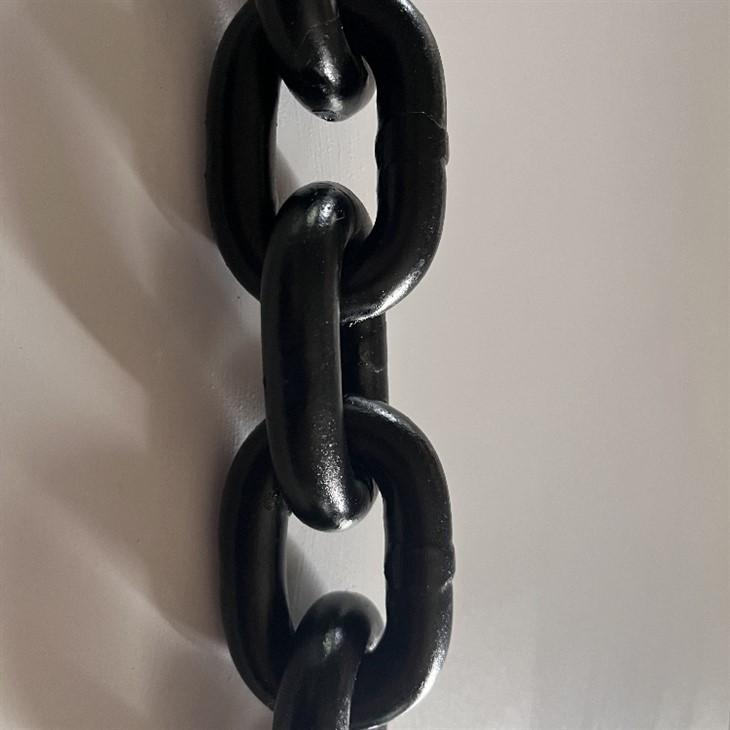
A train chain is designed to meet the rigorous demands of various industrial and transportation applications. It is a type of chain that is often used in scenarios requiring high strength and durability. The Train Chain is typically made from high - quality steel, which gives it the ability to withstand heavy loads and harsh environments.
The weight of a train chain is not a random figure; rather, it is a carefully calculated characteristic based on its design, material, and intended use. Different types of train chains have different weights, which are determined by factors such as the size of the links, the thickness of the steel, and the overall length of the chain.
Factors Affecting the Weight of a Train Chain
Link Size
One of the most significant factors influencing the weight of a train chain is the size of its links. Larger links generally mean more material is used in the construction of the chain, which in turn increases its weight. For example, a chain with large - diameter links will be heavier than a chain with smaller - diameter links of the same length. This is because the volume of steel in each large link is greater than that in a smaller link.
Steel Thickness
The thickness of the steel used in the chain also plays a crucial role in determining its weight. Thicker steel provides more strength but also adds to the overall mass of the chain. Chains that are designed for heavy - duty applications, such as those used in large - scale transportation or industrial lifting, often have thicker steel links. This is to ensure that the chain can handle the high stress and loads without breaking. As a result, these chains tend to be heavier compared to chains made from thinner steel for lighter - duty uses.
Chain Length
It is obvious that the longer the train chain, the heavier it will be. When we manufacture chains, we offer them in various lengths to meet the diverse needs of our customers. A short chain, say a few meters long, will have a much lower weight compared to a continuous chain that might stretch for dozens of meters. The weight of the chain increases linearly with its length, assuming the link size and steel thickness remain constant.
Importance of Knowing the Weight
Engineering and Design
In engineering and design, knowing the weight of a train chain is essential. For example, when designing a transportation system that uses train chains, engineers need to consider the chain's weight to ensure that the structures and machinery that support the chain can handle the load. If the weight of the chain is underestimated, it could lead to structural failures and safety hazards. On the other hand, overestimating the weight might result in excessive use of materials and higher costs for the project.
Transportation and Installation
In the transportation and installation process, the weight of the chain is also a critical factor. Heavier chains require more robust lifting equipment and transportation vehicles. For instance, if a chain is too heavy for a particular crane to lift, it could cause damage to the crane or lead to accidents during the installation process. As a Train Chain supplier, we always provide our customers with accurate weight information so that they can make proper arrangements for transportation and installation.
Cost Considerations
The weight of the chain is closely related to its cost. More material means higher production costs, which are then passed on to the customers. Additionally, heavier chains may require more energy to transport, further increasing the overall cost. By understanding the weight of the chain, customers can make more informed decisions about their purchases, balancing the need for strength and durability with the cost implications.
Comparing Train Chain with Other Types of Chains
It is interesting to compare the weight of train chains with other types of chains, such as Brake Chain. Brake chains are often used in braking systems and are designed to have high strength and quick - response capabilities. Generally, brake chains are lighter than train chains because they are usually shorter in length and may have smaller link sizes. However, they still need to be made from high - quality materials to ensure reliable performance.
Another comparison can be made with high - strength lifting equipment chains. High Strength Lifting Equipment chains are designed to lift extremely heavy objects. While they share some similarities with train chains in terms of material and strength requirements, their weight can vary depending on the specific design and application. Some high - strength lifting chains may be heavier than train chains, especially if they are designed for very large - scale lifting operations.
How We Determine the Weight at Our Company
At our company, we use advanced manufacturing techniques and quality control processes to ensure the accuracy of the chain weights. We start with high - quality steel bars and precisely cut and shape them into the desired link sizes. During the production process, we monitor the amount of material used in each link to control the weight.
After the chain is manufactured, we use calibrated weighing equipment to measure the weight of each chain precisely. We also conduct regular quality inspections to ensure that the weight of the chains meets the specified standards. This level of precision allows us to provide our customers with chains of consistent quality and accurate weight information.

Contact Us for Your Train Chain Needs
If you are in the market for high - quality train chains, we are here to help. Our extensive experience as a train chain supplier allows us to offer a wide range of chains with different weights, sizes, and specifications to meet your specific requirements. Whether you need a light - duty chain for a small - scale project or a heavy - duty chain for a large - scale industrial application, we have the right solution for you.
We understand that every customer's needs are unique, and we are committed to providing personalized service. Our team of experts is always ready to answer your questions, provide technical support, and assist you in choosing the most suitable chain for your project. Contact us today to start a discussion about your train chain requirements and let's work together to find the best solution.
References
- [Industrial Chain Handbook]: A comprehensive guide on different types of chains, including train chains, and their technical specifications.
- [Engineering Principles for Heavy - Duty Equipment]: This book provides in - depth knowledge on the design and engineering considerations for heavy - duty equipment, where train chains are often used.