

How does a Train Chain compare to other train coupling mechanisms?
Dec 04, 2025
In the realm of railway engineering, the coupling mechanism that connects train cars is a critical component that directly impacts safety, efficiency, and operational flexibility. As a supplier of Train Chains, I have witnessed firsthand the unique features and advantages that Train Chains bring to the table when compared to other train coupling mechanisms. In this blog, I will delve into a detailed comparison to help you understand why Train Chains might be the ideal choice for your railway needs.
An Overview of Train Coupling Mechanisms
Before we dive into the comparison, let's briefly introduce some of the most common train coupling mechanisms. There are mainly three types: the Janney coupler (also known as the knuckle coupler), the Scharfenberg coupler, and the Train Chain.
The Janney coupler is the most widely used coupling mechanism in North America and many other parts of the world. It features a knuckle - shaped device that automatically couples when two cars come together. The Scharfenberg coupler, on the other hand, is commonly used in high - speed trains and urban rail systems. It provides a more rigid and aerodynamic connection, which is suitable for high - speed operations.
Structural and Design Comparison
Train Chain
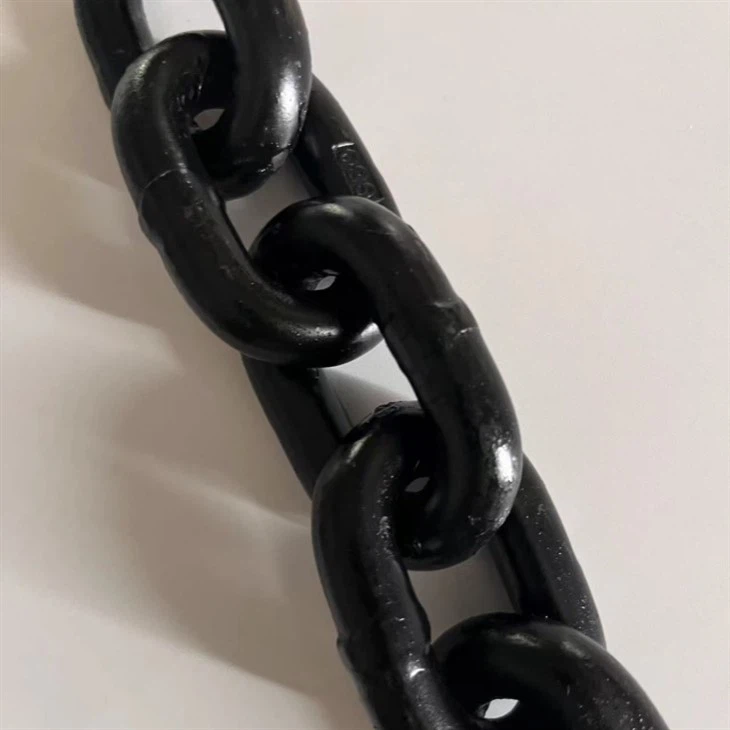
The Train Chain is a simple yet effective coupling mechanism. It consists of a series of interlinked metal rings. The design is straightforward, which allows for easy installation and maintenance. The flexibility of the chain enables it to adapt to various track conditions, including curves and uneven terrain. For instance, when a train passes through a sharp curve, the chain can bend smoothly, reducing the stress on the coupling and the train cars. You can learn more about the specific design and application of Train Chains on our Train Chain page.
Janney Coupler
The Janney coupler has a more complex structure. It relies on a knuckle that pivots to engage and disengage. The design requires precise alignment during coupling, which can be a challenge in some situations. For example, if the alignment of the couplers is slightly off, it may lead to incomplete coupling, increasing the risk of derailment. However, once properly coupled, the Janney coupler provides a relatively strong and stable connection.
Scharfenberg Coupler
The Scharfenberg coupler is a high - tech solution. It uses a conical or cylindrical shape to achieve a tight fit between the couplers. This design is optimized for high - speed trains, as it reduces air resistance and provides a smooth ride. However, the complex design also means higher manufacturing costs and more demanding maintenance requirements.
Safety Comparison
Train Chain
Safety is a top priority in railway operations. The Train Chain offers several safety advantages. First, its simple design reduces the risk of mechanical failure. Since there are no complex moving parts like in the Janney or Scharfenberg couplers, there are fewer components that can break down. Second, the flexibility of the chain allows it to absorb shock and vibration, which helps to prevent damage to the train cars and the coupling itself. In case of an emergency stop or sudden impact, the chain can act as a buffer, reducing the force transmitted between the cars.
Janney Coupler
The Janney coupler has a long - standing safety record. However, as mentioned earlier, the need for precise alignment during coupling can be a safety concern. In addition, the knuckle mechanism can wear out over time, which may lead to coupling failure. Regular inspection and maintenance are crucial to ensure the safety of the Janney coupler.
Scharfenberg Coupler
The Scharfenberg coupler is designed with safety in mind, especially for high - speed trains. Its tight - fitting design reduces the risk of separation during high - speed operations. However, the complexity of the coupler means that any malfunction can be more difficult to diagnose and repair, which may pose a safety risk if not addressed promptly.
Operational Efficiency Comparison
Train Chain
In terms of operational efficiency, the Train Chain has its unique advantages. The simple installation process means that trains can be coupled and decoupled quickly. This is particularly beneficial in situations where rapid turnaround times are required, such as in freight yards. Moreover, the Train Chain's ability to adapt to different track conditions allows trains to operate more smoothly, reducing the need for speed restrictions on certain sections of the track.
Janney Coupler
The Janney coupler is widely used in large - scale railway networks. While it provides a reliable connection, the coupling process can be time - consuming, especially when dealing with a large number of train cars. The need for manual intervention to ensure proper alignment can slow down the coupling process.

Scharfenberg Coupler
The Scharfenberg coupler is designed for high - speed and efficient operations. It allows for seamless connection between train cars, which is essential for high - speed trains. However, the high - tech nature of the coupler means that it may require specialized equipment and trained personnel for installation and maintenance, which can increase operational costs.
Cost - effectiveness Comparison
Train Chain
One of the significant advantages of the Train Chain is its cost - effectiveness. The simple design and manufacturing process result in lower production costs. In addition, the easy maintenance requirements mean that the overall cost of ownership is relatively low. For small - scale railway operators or those with limited budgets, the Train Chain can be an attractive option. You can also explore related chain products such as Hoisting Machinery and Handling Chain on our website, which share some of the cost - effective features.
Janney Coupler
The Janney coupler, although widely used, has relatively high manufacturing and maintenance costs. The complex knuckle mechanism requires precision machining, and the regular inspection and replacement of worn parts can add up to significant expenses over time.
Scharfenberg Coupler
The Scharfenberg coupler is the most expensive option among the three. The high - tech design and the need for specialized manufacturing processes contribute to the high cost. In addition, the maintenance and repair costs are also substantial, making it less suitable for budget - conscious operators.
Conclusion
In conclusion, each train coupling mechanism has its own strengths and weaknesses. The Train Chain stands out for its simplicity, flexibility, safety, operational efficiency, and cost - effectiveness. While the Janney coupler is widely used and provides a reliable connection, and the Scharfenberg coupler is ideal for high - speed trains, the Train Chain offers a compelling alternative, especially for smaller railway operations or those with specific requirements.
If you are interested in learning more about Train Chains or are considering them for your railway projects, I encourage you to contact us for a detailed discussion. Our team of experts is ready to provide you with personalized solutions and support to meet your needs.
References
- [1] "Railway Engineering Handbook", by John R. Laefer
- [2] "Fundamentals of Railway Vehicle Dynamics", by David A. Crolla
- [3] "Coupling Systems for Rail Vehicles", research paper from the International Union of Railways (UIC)