

Do brake chains affect the vehicle's acceleration?
Jul 01, 2025
Do brake chains affect the vehicle's acceleration? That's a question I've been getting a lot lately as a brake chain supplier. So, I thought I'd sit down and write a blog post to share my thoughts and some scientific insights on this topic.
First off, let's understand what brake chains are. Brake chains are an essential component in many vehicles and machinery. They're used in various applications, from Mining Car Chain to Lifting Short Loop Chain and Hoisting Machinery. They play a crucial role in controlling the movement and speed of a vehicle or equipment.
Now, onto the big question: Do they affect a vehicle's acceleration? Well, the answer isn't a simple yes or no. It depends on several factors.
How Brake Chains Work
To understand how brake chains might impact acceleration, we need to know how they work. Brake chains are designed to create friction. When you engage the brakes, the chain tightens, and this friction slows down the wheels or moving parts. This is a basic principle of physics - friction opposes motion.
In normal operation, when the brakes are off, the brake chain is in a relaxed state. It's not supposed to interfere with the vehicle's movement. But if there are issues with the brake chain, like it's too tight or there's excessive wear and tear, it can start to have an impact.
Factors That Can Affect Acceleration
Tension
One of the main factors is the tension of the brake chain. If the chain is too tight when the brakes are not engaged, it can act like a constant drag on the vehicle. Imagine trying to run with a heavy chain around your ankle. It would slow you down, right? The same goes for a vehicle. An overly tight brake chain will require more power from the engine to move the vehicle forward. This means that the vehicle will have to work harder to accelerate, and as a result, the acceleration will be slower.
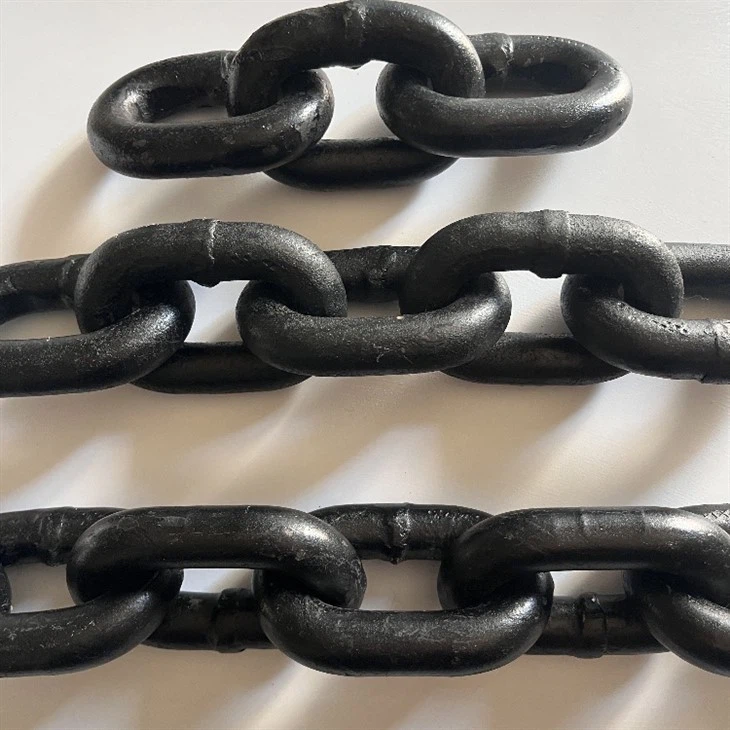

On the other hand, if the chain is too loose, it might not work effectively when you need to brake. But a loose chain in itself usually doesn't directly affect acceleration. However, if the loose chain causes other problems, like misalignment or rattling, it could potentially lead to more significant issues down the line that might impact performance.
Wear and Tear
Wear and tear on the brake chain can also be a factor. Over time, the links in the chain can wear down, and the surface can become rough. This rough surface can increase friction even when the brakes are not engaged. As we know, increased friction means more resistance, and more resistance means the engine has to work harder to get the vehicle moving. So, a worn - out brake chain can definitely have a negative impact on acceleration.
Quality of the Brake Chain
The quality of the brake chain matters a lot. A high - quality brake chain is designed to have minimal friction when not in use and maximum friction when you need to brake. Cheaper, low - quality chains might not be as well - made. They could have uneven links, or the material might not be as smooth. This can lead to unnecessary friction and affect the vehicle's acceleration.
Real - World Examples
Let's look at some real - world scenarios. In a mining vehicle, where Mining Car Chain is used, the conditions are tough. The chain is exposed to dirt, dust, and heavy loads. If the brake chain in a mining vehicle is not properly maintained, it can quickly start to wear out. This worn - out chain can cause the vehicle to have slower acceleration, which can be a big problem in a mining operation where time is money.
In a hoisting machinery application, like the ones that use Hoisting Machinery, the brake chain is critical for safety and performance. If the chain is too tight, it can slow down the lifting process, which is essentially an acceleration - related issue in a different context.
How to Ensure Brake Chains Don't Affect Acceleration
As a brake chain supplier, I always recommend regular maintenance. Check the tension of the brake chain regularly. Make sure it's neither too tight nor too loose. You can use a tension gauge to get an accurate reading.
Inspect the chain for signs of wear and tear. Look for any rough spots, broken links, or signs of corrosion. If you notice any issues, replace the chain as soon as possible.
Invest in high - quality brake chains. It might cost a bit more upfront, but in the long run, it can save you a lot of money and headaches. A good quality chain will last longer and perform better, which means it's less likely to affect your vehicle's acceleration.
Conclusion
So, do brake chains affect a vehicle's acceleration? They can, but it's not an inevitable outcome. If the brake chain is properly installed, maintained, and of good quality, it should have minimal impact on acceleration. However, if there are problems with tension, wear and tear, or quality, it can definitely slow down your vehicle's ability to pick up speed.
If you're in the market for high - quality brake chains for your vehicles or machinery, whether it's for Mining Car Chain, Lifting Short Loop Chain, or Hoisting Machinery, I'd love to talk to you. Feel free to reach out to me for more information and to discuss your specific needs. I'm here to help you make sure your vehicles and equipment perform at their best.
References
- Physics textbooks on friction and motion.
- Industry reports on vehicle and machinery performance.
- Manufacturer's guidelines for brake chain installation and maintenance.