

Can a cutting line chain be used for underwater cutting?
Jul 11, 2025
Can a cutting line chain be used for underwater cutting? Well, that's a question I've been getting a lot lately, and as a supplier of Cutting Line Chain, I'm more than happy to dive into it.
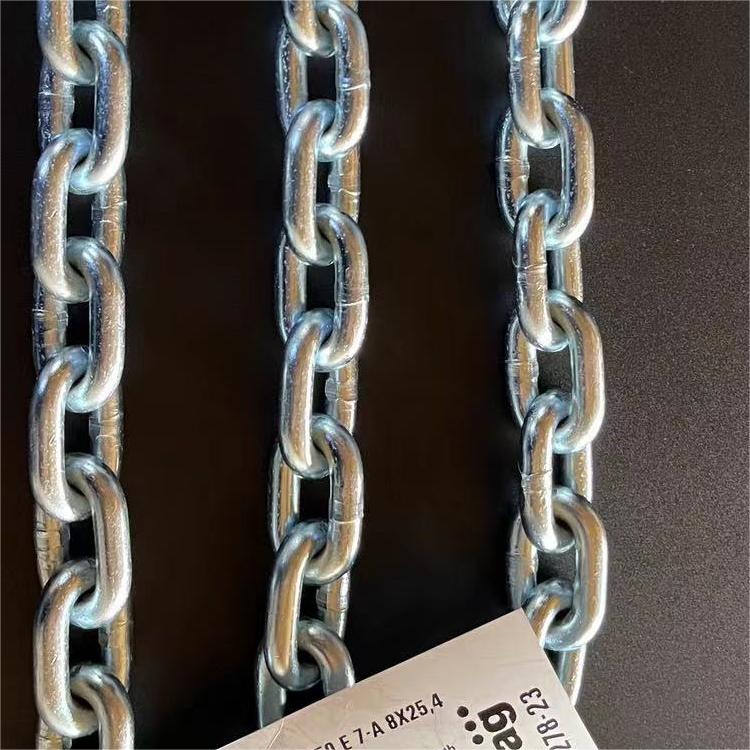
First off, let's talk a bit about what a cutting line chain is. It's a specialized type of chain made from High Strength Alloy Steel. This material gives the chain the toughness and durability it needs to handle some pretty intense cutting jobs. It's also a Chain Of Austrian Origin, which means it's crafted with high - quality standards and precision.
Now, to answer the big question: Can it be used for underwater cutting? The short answer is yes, but there are a few things to consider.
Advantages of Using a Cutting Line Chain Underwater
One of the main advantages is its strength. The high - strength alloy steel can withstand the harsh underwater environment. Water can be a tough place for equipment. There's the constant pressure, corrosion from the water (especially if it's saltwater), and the abrasive nature of sediment and other particles in the water. But the cutting line chain's robust construction helps it resist these factors.
It also has a good cutting ability. The design of the chain is optimized to make clean and efficient cuts. Whether you're cutting through underwater pipes, cables, or other structures, the chain can get the job done. The links are shaped in a way that allows them to grip the material being cut and saw through it effectively.
Another plus is its flexibility. The chain can be easily maneuvered around objects underwater. This is crucial because underwater cutting jobs often involve working in tight spaces or around irregularly shaped structures. The chain can be bent and adjusted to fit the contours of the object, making it a versatile tool for underwater work.
Challenges of Using a Cutting Line Chain Underwater
Of course, it's not all smooth sailing. There are some challenges that come with using a cutting line chain underwater.
Corrosion is a major concern. Even though the high - strength alloy steel is resistant to corrosion, it's not completely immune. Saltwater, in particular, is highly corrosive. Over time, the chain can start to rust and lose its strength. To combat this, it's important to use proper anti - corrosion coatings on the chain and to rinse it thoroughly with fresh water after each use.
Visibility is another issue. Underwater, visibility can be extremely limited. You might not be able to see exactly what you're cutting or how the chain is performing. This can make it difficult to ensure that the cuts are being made accurately. To deal with this, you may need to use additional equipment like underwater cameras or lights to improve visibility.
The underwater environment also affects the cutting process itself. The water acts as a coolant, which can change the way the chain cuts. The temperature of the chain and the material being cut is regulated by the water, which can slow down the cutting speed. You may need to adjust your cutting technique and equipment settings to account for this.
Preparation for Underwater Cutting with a Cutting Line Chain
Before using the cutting line chain underwater, proper preparation is key.
First, you need to inspect the chain thoroughly. Check for any signs of damage, such as cracks, bent links, or excessive wear. If there are any issues, the chain should be repaired or replaced before use.
Next, you'll want to apply an anti - corrosion coating. There are many types of coatings available on the market, and you should choose one that is specifically designed for underwater use. Apply the coating evenly to all parts of the chain to ensure maximum protection.
You also need to make sure you have the right equipment to operate the chain underwater. This includes a suitable power source, which can be a hydraulic or electric system. The power source needs to be waterproof and able to provide enough power to drive the chain through the material being cut.
Best Practices for Underwater Cutting
When using the cutting line chain underwater, there are some best practices to follow.
Start by positioning the chain correctly. Make sure it's centered on the material you want to cut and that it's wrapped around it tightly. This will ensure that the chain makes a clean and accurate cut.
Monitor the cutting process closely. If you're using an underwater camera, keep an eye on the chain's performance. Look for any signs of excessive wear or damage. If the chain starts to jam or isn't cutting properly, stop the operation immediately and troubleshoot the issue.
After the cutting is done, rinse the chain thoroughly with fresh water. This will help remove any salt, sediment, or other debris that may have accumulated on the chain during the underwater operation. Then, dry the chain completely before storing it.

Case Studies
There have been several successful underwater cutting jobs using cutting line chains. For example, in a project to repair an underwater pipeline, the cutting line chain was used to cut through a damaged section of the pipe. The chain was able to make a clean cut in the thick steel pipe, even with the challenges of the underwater environment. The flexibility of the chain allowed it to be easily wrapped around the pipe, and its strength ensured that the cut was made quickly and efficiently.
In another case, a team was tasked with cutting through old underwater cables. The cutting line chain was able to slice through the tough outer sheathing of the cables and sever them cleanly. The anti - corrosion properties of the chain held up well during the operation, even in the saltwater environment.
Conclusion
So, to sum it up, a cutting line chain can definitely be used for underwater cutting. It has the strength, cutting ability, and flexibility needed for the job. However, it's important to be aware of the challenges and take the necessary precautions. By properly preparing the chain, using it correctly, and maintaining it after use, you can ensure that it performs well in the underwater environment.
If you're in the market for a cutting line chain for your underwater cutting projects, I'd love to talk to you. We have a wide range of cutting line chains available, and our team can help you choose the right one for your specific needs. Whether you're a professional diver, an underwater construction company, or someone involved in marine salvage operations, we can provide you with the high - quality cutting line chain you need. Contact us to start a conversation about your procurement needs, and let's see how we can work together to get your underwater cutting jobs done right.
References
- Engineering textbooks on underwater equipment and materials
- Industry reports on underwater cutting techniques
- Manufacturer's specifications for the cutting line chain