

Can a brake chain be used on a bicycle?
Sep 09, 2025
When it comes to bicycles, the components that ensure safety and efficient operation are of utmost importance. One question that might cross the minds of cycling enthusiasts or those looking for alternative solutions is: Can a brake chain be used on a bicycle? As a brake chain supplier, I'm here to explore this topic in depth and provide you with a comprehensive analysis.
Understanding Brake Chains
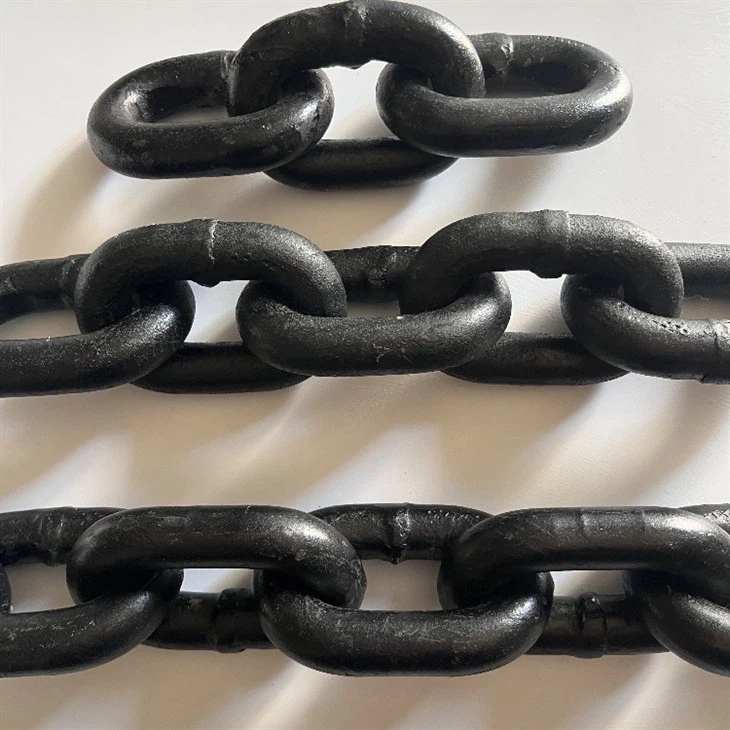
Brake chains are typically used in industrial applications such as Handling Chain, Hoisting Machinery, and Lifting Drags The Chain. These chains are designed to handle heavy loads and provide reliable braking or holding mechanisms in those settings. They are often made from high - strength materials like alloy steel, which can withstand significant stress and wear.
In an industrial context, brake chains work by engaging with a braking system that can either lock the chain in place or control its movement. This is crucial for operations where precision and safety are paramount, such as lifting heavy objects or controlling the movement of machinery.

The Anatomy of a Bicycle Braking System
Before we can determine if a brake chain can be used on a bicycle, it's essential to understand how a typical bicycle braking system works. Most bicycles are equipped with either rim brakes or disc brakes.
Rim brakes work by applying friction to the sides of the bicycle's rims. When the brake lever is squeezed, a caliper mechanism presses brake pads against the rim, creating friction that slows down or stops the wheel. Disc brakes, on the other hand, use a rotor attached to the wheel hub. When the brake lever is engaged, brake pads clamp down on the rotor, providing stopping power.
These systems are designed to be lightweight, responsive, and efficient for the relatively low - speed and light - load environment of a bicycle. They are also engineered to be easily adjustable and maintainable by the average cyclist.
Feasibility of Using a Brake Chain on a Bicycle
Advantages
- Strength and Durability: Brake chains are known for their high strength and durability. In theory, a brake chain could potentially provide a more robust braking solution for a bicycle, especially if the bike is used in extreme conditions or for heavy - duty applications. For example, mountain bikes that are frequently ridden on rough terrain or cargo bikes that carry heavy loads might benefit from the added strength of a brake chain.
- Unique Design: The design of a brake chain could offer a different approach to braking. It could potentially provide a more continuous and evenly distributed braking force compared to traditional rim or disc brakes. This might result in smoother and more controlled stops.
Disadvantages
- Weight: One of the biggest drawbacks of using a brake chain on a bicycle is the added weight. Brake chains are designed for industrial use and are typically much heavier than the components used in standard bicycle braking systems. The extra weight would make the bicycle more difficult to pedal, reducing its overall efficiency and performance.
- Compatibility: Brake chains are not designed to be used with a bicycle's existing braking system. Implementing a brake chain would require significant modifications to the bike's frame, wheels, and braking mechanisms. This would not only be expensive and time - consuming but also might void the bike's warranty.
- Lack of Precision: Bicycle braking systems are designed to provide precise control over the braking force. Brake chains, on the other hand, are more suited for on - off or coarse - adjustment braking in industrial applications. It would be challenging to achieve the same level of fine - tuning and responsiveness with a brake chain on a bicycle.
- Maintenance: Brake chains require regular maintenance, including lubrication and inspection for wear and tear. In a bicycle context, this would be more difficult and time - consuming compared to maintaining traditional brake systems. Additionally, the chain's links could collect dirt and debris, which could affect its performance and longevity.
Safety Considerations
Safety is the most critical factor when it comes to any bicycle component. Using a brake chain on a bicycle could pose several safety risks.
- Failure Mode: If a brake chain were to fail during use, it could result in a complete loss of braking power. This would be extremely dangerous, especially when riding at high speeds or in traffic. Traditional bicycle braking systems have been extensively tested and are designed to fail in a more predictable and safe manner.
- Interference: The installation of a brake chain could potentially interfere with other components of the bicycle, such as the gears, pedals, or wheels. This could lead to mechanical failures or accidents.
Conclusion
While the idea of using a brake chain on a bicycle might seem innovative, the practical challenges and safety concerns outweigh the potential benefits. The added weight, lack of compatibility, precision issues, and maintenance requirements make it an impractical choice for most cyclists.
However, as a brake chain supplier, I understand that there might be niche applications or custom - built bicycles where a brake chain could be considered. For example, in some experimental or specialized cycling projects, a brake chain could be used as part of a unique braking solution. But for the average cyclist, it's best to stick with the tried - and - true rim or disc brake systems.
If you're interested in exploring the use of brake chains for industrial applications or have any questions about our products, please feel free to contact us for a detailed discussion. We're always happy to assist you in finding the right solution for your needs.
References
- Wilson, J. (2018). Bicycle Mechanics Handbook. Cycling Press.
- Industrial Chain Standards and Guidelines. International Chain Association.