

Can a brake chain be reused?
Jan 09, 2026
In the industrial and mechanical sectors, the question of whether a brake chain can be reused is a topic that often sparks debate. As a brake chain supplier, I have encountered numerous customers with concerns and queries regarding the reusability of these essential components. In this blog post, I will delve into the factors that determine whether a brake chain can be reused, the potential risks involved, and the best practices for making this decision.

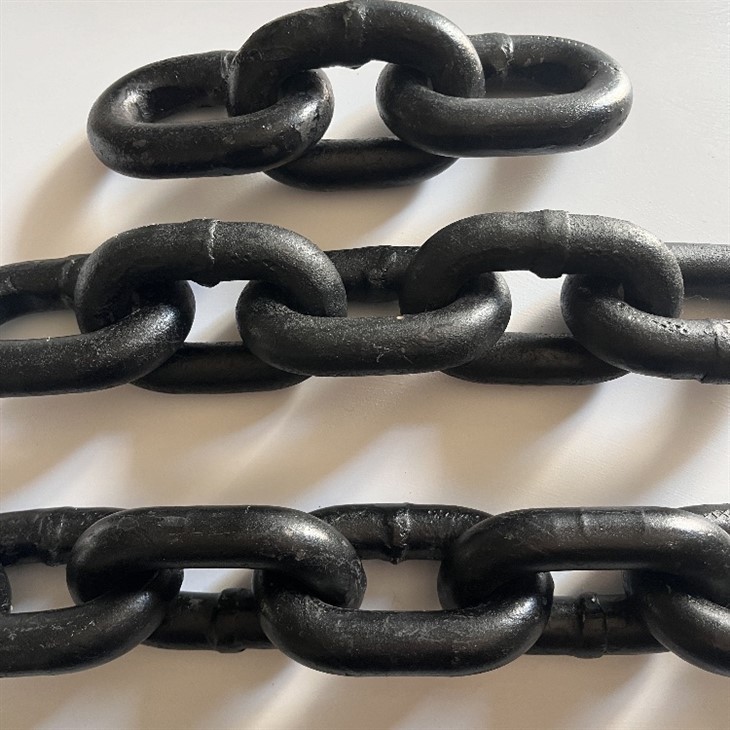
Understanding Brake Chains
Before we discuss the reusability of brake chains, it's important to understand their function and construction. A Brake Chain is a specialized type of chain designed to provide a reliable braking mechanism in various applications, such as lifting equipment, conveyor systems, and heavy machinery. These chains are typically made from high-strength materials, such as alloy steel, and are engineered to withstand significant stress and wear.
The design of a brake chain ensures that it can engage and disengage smoothly, providing precise control over the braking process. This is crucial for maintaining safety and efficiency in industrial operations. However, like any mechanical component, brake chains are subject to wear and tear over time, which can affect their performance and reliability.
Factors Affecting the Reusability of Brake Chains
Several factors need to be considered when determining whether a brake chain can be reused. These factors can be broadly categorized into three main areas: physical condition, usage history, and application requirements.
Physical Condition
The physical condition of the brake chain is the most obvious factor to consider. A chain that shows signs of significant wear, damage, or corrosion is less likely to be suitable for reuse. Here are some key indicators to look for:
- Wear: Over time, the links of a brake chain can wear down due to friction and repeated use. Excessive wear can lead to a reduction in the chain's strength and integrity. A general rule of thumb is that if the chain has worn more than 10% of its original diameter, it should not be reused.
- Damage: Visible damage, such as cracks, breaks, or deformation, is a clear sign that the chain should be replaced. Even minor damage can compromise the chain's ability to function properly and pose a safety risk.
- Corrosion: Corrosion can weaken the chain and cause it to rust, which can further accelerate wear. Chains that have been exposed to harsh environments or corrosive substances should be carefully inspected for signs of corrosion. If the corrosion is severe, the chain may need to be replaced.
Usage History
The usage history of the brake chain can also provide valuable insights into its reusability. Chains that have been subjected to heavy loads, high speeds, or frequent cycling are more likely to experience accelerated wear and damage. Here are some factors to consider:
- Load Capacity: If the chain has been consistently used at or near its maximum load capacity, it may have experienced more stress and wear than a chain that has been used under lighter loads.
- Operating Conditions: Chains that have been used in harsh operating conditions, such as high temperatures, abrasive environments, or exposure to chemicals, may have a shorter lifespan and be less suitable for reuse.
- Frequency of Use: Chains that have been used frequently may have accumulated more wear and fatigue than chains that have been used less often.
Application Requirements
The specific requirements of the application in which the brake chain is used also play a crucial role in determining its reusability. Some applications may have strict safety standards or performance requirements that necessitate the use of new chains. Here are some factors to consider:
- Safety Regulations: In certain industries, such as construction, mining, and transportation, there are strict safety regulations regarding the use of brake chains. These regulations may require the use of new chains after a certain period of time or after a specific number of cycles.
- Performance Requirements: Some applications may require a high level of precision and reliability from the brake chain. If the chain has been worn or damaged, it may not be able to meet these performance requirements, which can lead to system failures or downtime.
- Compatibility: The brake chain must be compatible with the other components of the braking system, such as the sprockets and brakes. If the chain has been used in a different application or with different components, it may not be suitable for reuse.
Risks of Reusing a Worn or Damaged Brake Chain
Reusing a worn or damaged brake chain can pose significant risks to both the equipment and the operators. Here are some of the potential risks:
- Reduced Safety: A worn or damaged brake chain may not be able to provide the same level of braking force as a new chain, which can increase the risk of accidents and injuries. In some cases, a worn chain may even fail completely, leading to a loss of control and potentially catastrophic consequences.
- Increased Wear on Other Components: A worn brake chain can cause increased wear on the sprockets, brakes, and other components of the braking system. This can lead to premature failure of these components, which can be costly to replace.
- System Malfunctions: A worn or damaged brake chain can cause the braking system to malfunction, which can lead to reduced performance, increased downtime, and lost productivity.
Best Practices for Determining Brake Chain Reusability
To ensure the safety and reliability of your equipment, it's important to follow these best practices when determining whether a brake chain can be reused:
- Regular Inspections: Conduct regular inspections of the brake chain to check for signs of wear, damage, or corrosion. This should be done at least once a month or more frequently if the chain is used in a high-risk environment.
- Keep Detailed Records: Keep detailed records of the brake chain's usage history, including the date of installation, the number of cycles, and any maintenance or repair work that has been done. This information can help you determine the chain's remaining lifespan and whether it is suitable for reuse.
- Consult with a Professional: If you are unsure whether a brake chain can be reused, consult with a professional engineer or technician. They can perform a detailed inspection of the chain and provide you with expert advice on its reusability.
- Replace Chains as Needed: If the brake chain shows signs of significant wear, damage, or corrosion, or if it has reached the end of its recommended lifespan, it should be replaced immediately. This will help ensure the safety and reliability of your equipment and prevent costly downtime.
Conclusion
In conclusion, the reusability of a brake chain depends on several factors, including its physical condition, usage history, and application requirements. While it may be tempting to reuse a brake chain to save money, it's important to remember that doing so can pose significant risks to both the equipment and the operators. By following the best practices outlined in this blog post, you can make an informed decision about whether a brake chain can be reused and ensure the safety and reliability of your equipment.
If you have any questions or concerns about the reusability of brake chains or if you are in need of a new Brake Chain, please feel free to contact me. I would be happy to assist you and provide you with the best solutions for your specific needs.
References
- ASTM International. (20xx). Standard Specification for Grade 80 Alloy Steel Chain for Overhead Lifting Applications.
- National Fire Protection Association. (20xx). Standard for Fire Apparatus.
- Society of Automotive Engineers. (20xx). Recommended Practice for Chain Design and Selection.