

Can a Boiler Chain operate at high speeds?
Dec 25, 2025
Hey there! As a supplier of Boiler Chains, I often get asked whether a Boiler Chain can operate at high speeds. In this blog post, I'm gonna break it all down for you, sharing what I've learned from years in the industry.
First off, let's understand what a Boiler Chain is. Boiler Chains are designed to be sturdy and reliable in the high - pressure and high - temperature environments often found in boiler systems. They're typically used in equipment that moves coal, ash, or other materials within the boiler setup. These chains need to stand up to harsh conditions, with factors like heat, friction, and abrasion constantly at play.
Now, the big question: can a Boiler Chain operate at high speeds? The answer isn't a simple yes or no. There are several factors that come into play when considering high - speed operation.
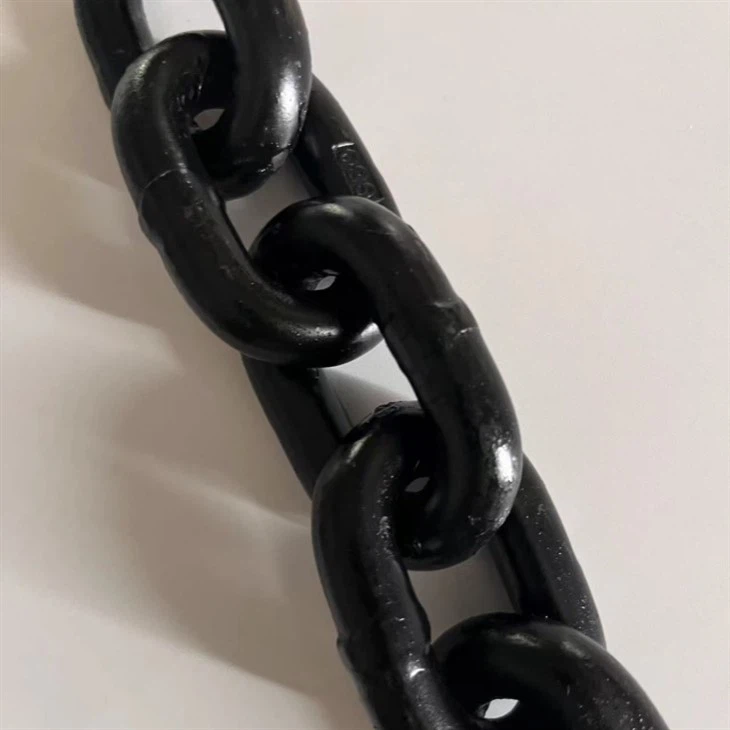

Design and Construction
The design and construction of a Boiler Chain are crucial. Chains made with higher - quality materials and better manufacturing processes are more likely to handle high speeds. For example, chains that have precision - engineered links and smooth surfaces are less likely to experience excessive wear and tear at high velocities. A well - designed chain will also have proper lubrication channels, which are essential for reducing friction. When the chain moves quickly, friction can generate a significant amount of heat, which can damage the chain over time. So, a good design can help mitigate these issues.
Load and Tension
The load that the Boiler Chain is carrying is another important factor. If the chain is under a heavy load, operating it at high speeds can put a tremendous amount of stress on the links. This stress can lead to premature failure, such as link breakage or elongation. It's important to ensure that the load is within the chain's rated capacity. Additionally, proper tensioning of the chain is vital. If the chain is too loose, it can skip or derail at high speeds, while an overly tight chain can increase friction and wear.
Lubrication
Lubrication is a game - changer when it comes to high - speed operation. A well - lubricated chain reduces friction, which in turn reduces heat generation and wear. There are different types of lubricants suitable for Boiler Chains, and the choice depends on the operating temperature and speed. For high - speed applications, a lubricant with good anti - wear and high - temperature resistance properties is essential. Regular lubrication maintenance is also necessary to keep the chain in top condition.
Maintenance and Inspection
Regular maintenance and inspection are non - negotiable for high - speed operation. Chains need to be checked for signs of wear, such as link elongation, cracks, or corrosion. Any damaged links should be replaced immediately to prevent chain failure. The sprockets that the chain runs on also need to be inspected for wear, as worn sprockets can cause the chain to wear out faster. Additionally, the alignment of the chain and sprockets should be checked regularly to ensure smooth operation.
Safety Considerations
Safety is always a top priority when it comes to operating any machinery at high speeds. Boiler Chains operate in environments with high temperatures and sometimes hazardous materials. When operating at high speeds, the potential for accidents increases. For example, if a chain breaks at high speed, it can cause serious damage to the equipment and pose a risk to personnel. Adequate safety guards and emergency stop mechanisms should be in place to minimize these risks.
Real - World Examples
In some industrial settings, Boiler Chains are indeed operated at relatively high speeds. For instance, in large - scale power plants where the demand for coal or ash transfer is high, the chains need to move quickly to keep up with production. However, these operations are carefully monitored and maintained to ensure safety and reliability.
On the other hand, in smaller boiler systems or those with less demanding requirements, the chains may operate at lower speeds. This is because the cost - benefit analysis may not justify the investment in high - speed operation, especially when considering the additional maintenance and safety requirements.
Related Products
If you're in the market for related products, we also offer Lifting Chains With Hooks. These are great for various lifting applications, providing a reliable and secure way to move heavy objects. We also have Hoisting Machinery that can work in tandem with our chains. And if you're interested in factory - made Lifting Chains With Hooks, we've got you covered there too.
Contact for Purchase
If you're thinking about purchasing Boiler Chains or any of our related products, I'd love to have a chat with you. Whether you have questions about high - speed operation, need help with sizing, or just want to get a quote, don't hesitate to reach out. We're here to make sure you get the right product for your needs.
References
- Industrial Chain Handbook: A comprehensive guide to chain design, operation, and maintenance.
- Boiler System Engineering Manual: Focuses on the specific requirements of boiler systems and components, including chains.
- Case studies from major power plants and industrial facilities on high - speed chain operations.
That's all for now. I hope this post has given you a better understanding of whether a Boiler Chain can operate at high speeds. If you've got any more questions, drop them in the comments or shoot me an email.