

What are the factors that affect the wear rate of a lifting chain?
Sep 18, 2025
Hey there! As a supplier of lifting chains, I've seen firsthand how crucial it is to understand the factors that affect the wear rate of these essential pieces of equipment. Lifting chains are used in a wide range of industries, from construction and manufacturing to logistics and warehousing. Their performance and longevity can have a significant impact on the efficiency and safety of operations. So, let's dive into what makes a lifting chain wear out and how you can manage it.
Material Quality
The quality of the material used to make the lifting chain is one of the most fundamental factors affecting its wear rate. Chains made from high - grade steel, for example, are generally more resistant to wear than those made from lower - quality materials. High - quality steel has better hardness, toughness, and corrosion resistance.
Hardness is important because it allows the chain to withstand the forces applied during lifting without deforming easily. A chain with proper hardness can resist abrasion from contact with other surfaces, such as pulleys or hooks. Toughness, on the other hand, ensures that the chain can absorb energy without breaking under sudden shocks or impacts.
When you're in the market for a lifting chain, always look for chains made from well - known and reliable steel grades. For instance, some chains are made from alloy steels that are specifically designed for high - stress applications. These alloys often contain elements like chromium, nickel, and molybdenum, which enhance the chain's mechanical properties. You can learn more about different types of chains used in various applications on our Hoisting Machinery page.
Operating Conditions
The environment in which the lifting chain operates plays a huge role in its wear rate. Let's start with temperature. Extreme temperatures can have a detrimental effect on the chain. In high - temperature environments, the steel can lose its hardness, making it more susceptible to wear. For example, in industries like foundries or Boiler Chain applications, where the chain is exposed to intense heat, the wear rate can be significantly higher.
On the other hand, cold temperatures can make the chain more brittle. If the chain is subjected to sudden impacts in cold conditions, it may crack or break. Humidity is another factor. Moisture in the air can cause the chain to rust, which weakens the material and accelerates wear. In coastal areas or industries with high humidity, such as food processing plants, corrosion protection becomes essential.
The type of load the chain is carrying also matters. If the load is unevenly distributed, it can cause excessive stress on certain parts of the chain, leading to faster wear. For example, if a heavy object is hanging at an angle, one side of the chain may bear more weight than the other, increasing the wear on that side.

Maintenance Practices
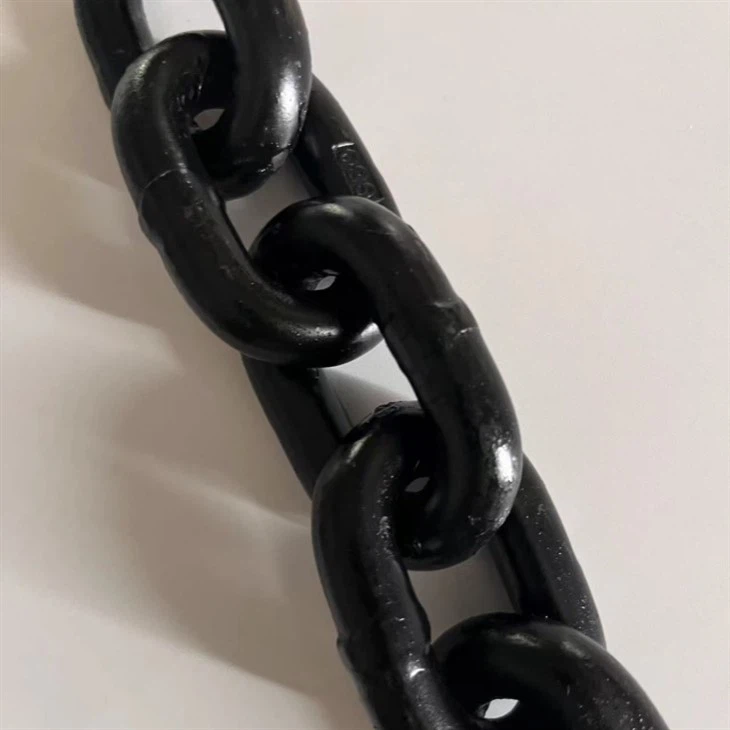
Proper maintenance is key to reducing the wear rate of a lifting chain. Regular cleaning is essential to remove dirt, debris, and other contaminants that can cause abrasion. You should clean the chain using a suitable cleaning agent and a soft brush. After cleaning, make sure to dry the chain thoroughly to prevent rusting.
Lubrication is another critical aspect of maintenance. A well - lubricated chain reduces friction between its links, which in turn reduces wear. You should use a high - quality lubricant that is suitable for the operating conditions of the chain. For example, in high - temperature environments, you need a lubricant that can withstand the heat without breaking down.
Inspection is also a must. Regularly check the chain for signs of wear, such as elongation, cracks, or deformation. If you notice any issues, it's important to address them immediately. You can replace worn - out links or the entire chain if necessary. This can prevent more serious problems down the line, such as chain failure during operation.
Design and Manufacturing Quality
The design of the lifting chain can affect its wear rate. Chains with a well - designed link shape can distribute the load more evenly, reducing stress concentrations and wear. For example, some chains have rounded links that minimize friction when the chain bends around pulleys.
The manufacturing process also matters. Chains that are made using precise manufacturing techniques are more likely to have consistent quality. For instance, chains that are forged or heat - treated correctly will have better mechanical properties and be more resistant to wear.
When choosing a lifting chain, consider the reputation of the manufacturer. A reliable manufacturer will have strict quality control measures in place to ensure that each chain meets the required standards. You can find a variety of well - designed and high - quality chains on our Handling Chain page.
Frequency of Use
How often the lifting chain is used can also impact its wear rate. Chains that are used continuously or at high frequencies will naturally experience more wear than those used less frequently. If a chain is in constant operation, it's important to monitor its condition closely and perform maintenance more regularly.
In some cases, you may need to have a spare chain on hand. This allows you to replace a worn - out chain quickly, minimizing downtime and ensuring the smooth operation of your equipment.
Compatibility with Other Components
The lifting chain doesn't work in isolation. It interacts with other components such as hooks, pulleys, and sprockets. If these components are not compatible with the chain, it can lead to increased wear. For example, if the pulley has a rough surface or the wrong diameter, it can cause excessive friction on the chain, accelerating wear.
Make sure that all the components in your lifting system are properly matched. This includes ensuring that the chain size, link shape, and load capacity are compatible with the other parts of the system.
Conclusion
As you can see, there are many factors that affect the wear rate of a lifting chain. By understanding these factors, you can take steps to extend the life of your chains and ensure the safety and efficiency of your operations. Whether it's choosing high - quality materials, maintaining the chain properly, or ensuring compatibility with other components, every little bit helps.
If you're in the market for a new lifting chain or need advice on how to manage the wear of your existing chains, don't hesitate to reach out. We're here to help you find the best solutions for your specific needs. Let's work together to keep your lifting operations running smoothly.
References
- ASME B30.9 - Safety Standard for Slings
- ISO 3077 - Steel wire ropes - Safety
- Machinery's Handbook, 31st Edition