

What are the explosion - proof requirements for hoisting machinery in special environments?
Jul 25, 2025
What are the explosion - proof requirements for hoisting machinery in special environments?
As a seasoned hoisting machinery supplier, I've witnessed firsthand the critical role that explosion - proof hoisting machinery plays in special environments. Special environments, such as chemical plants, oil refineries, and mines, are fraught with potential explosion hazards. These hazards stem from the presence of flammable gases, vapors, dusts, or fibers. In such settings, hoisting machinery must meet stringent explosion - proof requirements to ensure the safety of personnel and the integrity of operations.
Understanding the Hazardous Environments
Before delving into the explosion - proof requirements, it's essential to understand the different types of hazardous environments. These are typically classified based on the nature of the flammable substances present and the likelihood of their presence in explosive concentrations.

The most common classification systems are the International Electrotechnical Commission (IEC) and the North American National Electrical Code (NEC). The IEC system divides hazardous areas into zones:
- Zone 0: An area in which an explosive gas atmosphere is present continuously or for long periods.
- Zone 1: An area in which an explosive gas atmosphere is likely to occur in normal operation.
- Zone 2: An area in which an explosive gas atmosphere is not likely to occur in normal operation and, if it occurs, will exist only for a short time.
For dust - laden environments, the IEC has similar zone classifications (Zone 20, Zone 21, and Zone 22).
Explosion - Proof Design Principles
The design of explosion - proof hoisting machinery is based on several key principles. These principles aim to prevent the ignition of flammable substances by the hoisting machinery.
-
Containment: One of the primary strategies is to contain any potential explosion within the machinery. This is achieved through the use of explosion - proof enclosures. These enclosures are designed to withstand the pressure of an internal explosion and prevent the passage of flames or hot gases to the surrounding environment. For example, electric motors and control panels in hoisting machinery are often housed in explosion - proof enclosures.
-
Prevention of Ignition Sources: Hoisting machinery must be designed to eliminate or minimize potential ignition sources. This includes electrical components that could generate sparks, excessive heat, or static electricity. For instance, electrical equipment used in explosion - proof hoisting machinery is carefully selected to have low surface temperatures and to prevent arcing.
-
Material Selection: The materials used in the construction of hoisting machinery also play a crucial role. Non - sparking materials are often used in areas where there is a risk of contact with flammable substances. For example, certain types of alloys are used for chain links and hooks to prevent sparking during normal operation or in the event of a mechanical impact.
Specific Explosion - Proof Requirements for Hoisting Machinery Components
-
Electrical Systems: Electrical components in hoisting machinery, such as motors, controllers, and sensors, must meet strict explosion - proof standards. They are typically designed to be intrinsically safe, meaning they cannot generate enough energy to ignite an explosive atmosphere. For example, intrinsically safe sensors are used to monitor the position and load of the hoist, ensuring safe operation in hazardous environments.
-
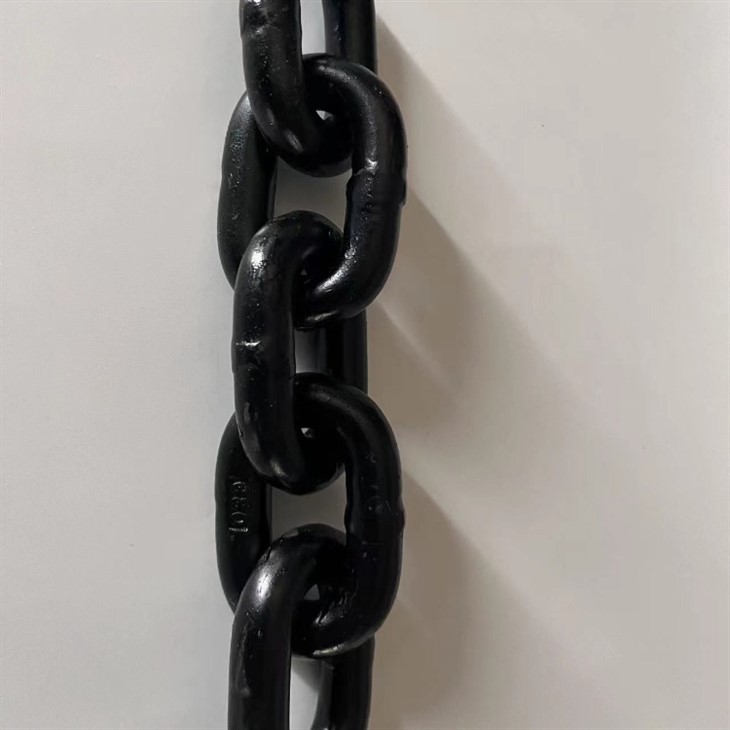
Mechanical Components: Mechanical parts, like chains and ropes, need to be designed to prevent friction - induced sparks. High - strength chains, such as the High Strength Sling Chain and Handling Chain, are often made from special alloys that have low spark - generating properties. Additionally, the moving parts of the hoist, such as gears and bearings, are lubricated with non - flammable lubricants to reduce friction and prevent overheating.
-
Control Systems: The control systems of hoisting machinery must be fail - safe and designed to prevent accidental operation that could lead to an explosion. They are often equipped with emergency stop buttons and safety interlocks that can quickly shut down the hoist in case of a malfunction or the detection of an explosive atmosphere.
Certification and Compliance
In order to ensure that hoisting machinery meets the explosion - proof requirements, it must undergo rigorous testing and certification processes. International standards, such as IEC 60079, provide guidelines for the design, testing, and certification of explosion - proof electrical equipment.
Certification bodies, such as Underwriters Laboratories (UL) in the United States and the European Union's ATEX directive, issue certificates that indicate compliance with these standards. When purchasing hoisting machinery for special environments, it is crucial to ensure that the equipment has the appropriate certifications.
Maintenance and Inspection
Even after the installation of explosion - proof hoisting machinery, regular maintenance and inspection are essential. Over time, the explosion - proof features of the machinery can degrade due to wear and tear.
Maintenance procedures should include checks of the integrity of explosion - proof enclosures, the condition of electrical insulation, and the performance of safety devices. Inspections should be carried out by qualified personnel who are familiar with the explosion - proof requirements and the specific hoisting machinery being used.
The Importance of Choosing the Right Hoisting Machinery Supplier
As a hoisting machinery supplier, we understand the importance of providing high - quality explosion - proof hoisting machinery. Our High Strength Lifting Equipment is designed and manufactured to meet the strictest explosion - proof standards.
We have a team of experts who are well - versed in the requirements of special environments. We work closely with our customers to understand their specific needs and to provide customized solutions. Whether it's a small - scale operation in a chemical laboratory or a large - scale mining project, we can offer the right hoisting machinery to ensure safe and efficient operation.
If you are in the market for hoisting machinery for special environments, it is crucial to choose a supplier who can provide reliable, compliant, and high - performance equipment. We are committed to providing the best products and services to our customers. If you have any questions or are interested in purchasing hoisting machinery for your special environment, please feel free to reach out to us for a detailed discussion and a customized quote.
References
- IEC 60079 series of standards on explosive atmospheres.
- North American National Electrical Code (NEC) for hazardous locations.
- ATEX directive for equipment and protective systems intended for use in potentially explosive atmospheres in the European Union.
- Underwriters Laboratories (UL) standards for explosion - proof equipment.