

How to install a lifting chain correctly?
Oct 17, 2025
As a trusted lifting chain supplier, I understand the critical importance of correctly installing lifting chains to ensure safety and optimal performance. In this blog post, I'll guide you through the step-by-step process of installing a lifting chain correctly. Whether you're using Lifting Chains With Hooks, High Strength Sling Chain, or Handling Chain, these principles apply across the board.
Step 1: Pre-Installation Inspection
Before you start the installation process, it's essential to conduct a thorough inspection of the lifting chain. Check for any visible signs of damage, such as cracks, excessive wear, or deformation. Pay close attention to the links, hooks, and any other components. If you notice any issues, do not use the chain. Damaged chains can pose a significant safety risk and may fail during operation, leading to serious accidents.
Inspect the chain for proper sizing as well. Ensure that the chain's working load limit (WLL) is suitable for the intended application. The WLL is the maximum weight that the chain can safely lift under specific conditions. Exceeding the WLL can cause the chain to break, so it's crucial to select the right chain for the job.
Step 2: Select the Right Equipment
In addition to choosing the appropriate lifting chain, you'll need to select the right equipment for the installation. This includes shackles, hooks, and other connecting devices. Make sure that these components are compatible with the chain and have a WLL that matches or exceeds the chain's WLL.
For example, if you're using a High Strength Sling Chain with a WLL of 5 tons, the shackles and hooks you use should also have a WLL of at least 5 tons. Using incompatible or undersized equipment can compromise the safety of the lifting operation.

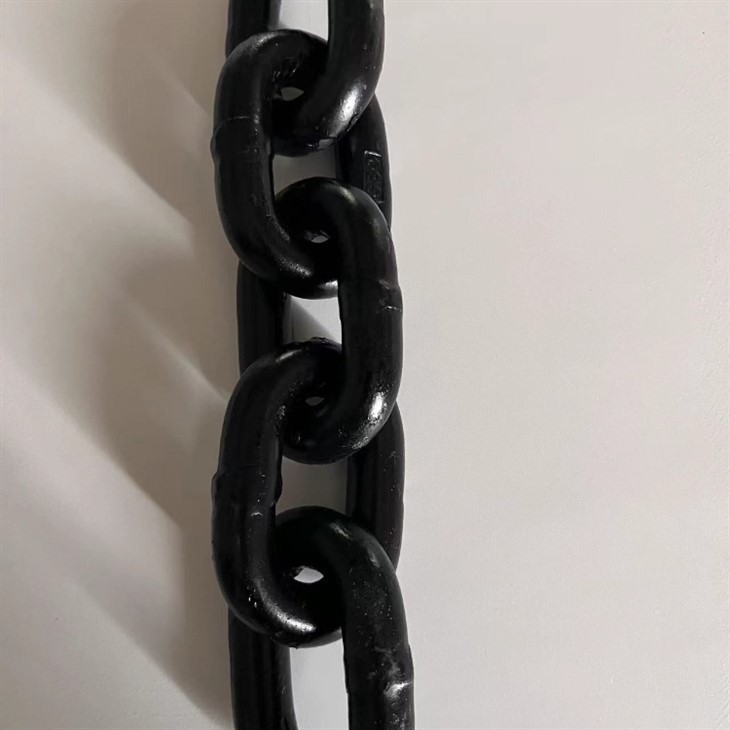
Step 3: Prepare the Work Area
Before you start installing the lifting chain, prepare the work area. Clear the area of any obstacles or debris that could interfere with the installation process. Make sure that the surface where the chain will be installed is clean, dry, and level.
If you're installing the chain outdoors, check the weather conditions. Avoid installing the chain in extreme weather conditions, such as high winds, rain, or snow. These conditions can make the installation process more difficult and increase the risk of accidents.
Step 4: Install the Chain
Once you've completed the pre-installation inspection, selected the right equipment, and prepared the work area, it's time to install the chain. Follow these steps to ensure a proper installation:
- Attach the Hooks or Shackles: If you're using Lifting Chains With Hooks, attach the hooks to the load. Make sure that the hooks are properly seated and secure. If you're using shackles, insert them through the links of the chain and tighten the nuts or bolts to the recommended torque.
- Position the Chain: Carefully position the chain around the load. Make sure that the chain is evenly distributed and that there are no kinks or twists in the chain. If the chain is not properly positioned, it can cause uneven loading and increase the risk of failure.
- Connect the Chain to the Lifting Device: Once the chain is positioned around the load, connect it to the lifting device, such as a crane or hoist. Make sure that the connection is secure and that the chain is properly aligned with the lifting device.
- Tension the Chain: After connecting the chain to the lifting device, tension the chain to remove any slack. Use a tensioning device, such as a chain hoist or come-along, to apply tension to the chain. Make sure that the tension is evenly distributed and that the chain is not over-tensioned.
Step 5: Conduct a Final Inspection
After installing the lifting chain, conduct a final inspection to ensure that everything is in place and secure. Check the hooks, shackles, and other connecting devices to make sure that they are properly tightened and that there are no signs of damage or wear.
Inspect the chain itself to make sure that there are no kinks, twists, or other issues. Check the tension of the chain to make sure that it is appropriate for the load. If you notice any issues during the final inspection, address them immediately before proceeding with the lifting operation.
Step 6: Train Your Personnel
Proper installation of a lifting chain is only half the battle. It's also essential to train your personnel on how to use the chain safely and correctly. Provide your employees with comprehensive training on the installation, operation, and maintenance of the lifting chain.
Make sure that your employees understand the importance of following the manufacturer's instructions and safety guidelines. Train them on how to inspect the chain before each use, how to properly tension the chain, and how to recognize and address any potential issues.
Step 7: Maintain the Chain
Regular maintenance is essential to ensure the safety and performance of your lifting chain. Establish a maintenance schedule and follow it consistently. Inspect the chain regularly for signs of wear, damage, or corrosion. Clean the chain regularly to remove any dirt, debris, or contaminants.
Lubricate the chain as recommended by the manufacturer to prevent rust and corrosion. Replace any worn or damaged components immediately to prevent further damage to the chain. By maintaining your lifting chain properly, you can extend its lifespan and ensure that it continues to perform safely and effectively.
Conclusion
Installing a lifting chain correctly is crucial for ensuring the safety and efficiency of your lifting operations. By following the steps outlined in this blog post, you can install your lifting chain correctly and minimize the risk of accidents and injuries.
As a lifting chain supplier, I'm committed to providing you with high-quality products and expert advice. If you have any questions or need assistance with installing your lifting chain, please don't hesitate to contact me. I'll be happy to help you select the right chain for your application and provide you with the support you need to ensure a successful installation.
If you're interested in purchasing lifting chains or other related products, I invite you to contact me to discuss your specific requirements. We offer a wide range of lifting chains, including Lifting Chains With Hooks, High Strength Sling Chain, and Handling Chain. Our team of experts can help you find the right products for your needs and provide you with competitive pricing and excellent customer service.
References
- American Society of Mechanical Engineers (ASME). (2018). B30.9 - Slings.
- Occupational Safety and Health Administration (OSHA). (2019). Cranes and Derricks in Construction.
- Manufacturer's instructions and safety guidelines for lifting chains.