


Mining High-tensile Round Chain
Mining chain refers to a range of heavy-duty chains designed for use in various mining applications, including excavation, drilling, material handling, and underground transportation. These chains are engineered to endure harsh conditions such as heavy loads, abrasive materials, and extreme temperatures commonly found in mining environments.
TAIAN AOTAI CHAIN COMPANY : Your Trustworthy Mining Chain Manufacturer!
Our company was established in 2003 and is a production base specializing in manufacturing ring chains. Our products are widely used in automobiles, trains, ports, steel mills, petroleum, food machinery, tourism, parks, lifting, hoisting and other industries. And we can customize the processing according to users.
Products Widely Used
The products produced by our company can be widely used in automobiles, trains, docks, steel plants, petroleum machinery, food machinery, tourism, parks, lifting, hoisting, bundling and other industries.
Advanced Production Equipment
Our company has advanced equipment, such as fully automatic CNC steel bar straightening and cutting machines, chain flash butt welding machines, chain medium frequency quenching machines, hydraulic chain stretching machines, etc.
Rich Products
Our company can produce endless chains, lifting chains, stainless steel chains, ordinary chains, high-strength chains, livestock and poultry slaughtering chains, mining chains, cement elevator chains, traffic jam chains, guardrail chains, spare parts, etc.
Customizable
The products we produce can be OEM customized, and we provide technical support for chain installation, use and maintenance, answer customers' questions during chain use, and we provide product warranty services for a certain period of time.
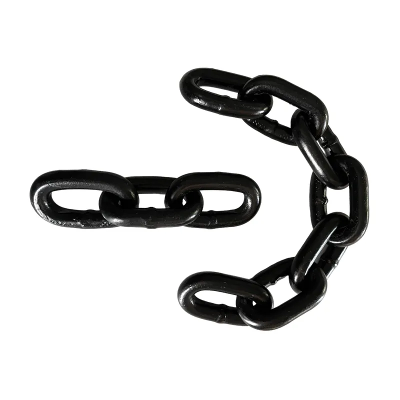
Mine chain is mainly used in coal mine, crane, cement elevator, road construction equipment, lifting machinery, casting equipment, scraper conveyor, shear machine and other equipment and facilities. The main specifications are φ18×64, φ14×50, φ22×86 and so on. The chain is made of high-quality steel, and the connecting ring plays an important role in the mining and transportation process of the scraper conveyor, which directly affects the operating efficiency of the conveyor. The inspection of mining chain is an important link to ensure its quality and performance meet the requirements. Our company has professional tensile test equipment, which can be sampled in the factory to ensure product quality.

Mine conveyor chain is a specialized type of heavy-duty chain used in the mining industry for conveying bulk materials such as coal, ore, rock, and other mined commodities. These chains are engineered to handle the rigorous demands of underground and surface mining operations, where they are subjected to abrasive materials, high stresses, and often harsh environmental conditions. The design of mine conveyor chains incorporates robust construction with high-strength materials such as alloy steels to ensure durability and reliability under extreme conditions. They typically feature larger links and rollers compared to standard conveyor chains to accommodate heavier loads and provide greater wear resistance against the abrasive nature of the materials being transported.

Cement elevator chain is a type of heavy-duty conveyance system chain specifically designed for the vertical transportation of cement and related materials within cement manufacturing facilities. These chains are engineered to handle the abrasive and corrosive nature of cement dust and particles, as well as the high weight and volume of the materials being transported.The construction of cement elevator chains typically includes high-strength alloy steels that provide excellent wear resistance, fatigue life, and the ability to withstand the harsh conditions present in cement production. The chains are equipped with special features such as heavy-duty links, robust rollers, and wear plates to minimize downtime and maintenance costs.

Heavy machinery chain refers to a type of industrial chain designed to withstand the high loads, stresses, and harsh operating environments associated with construction equipment, mining machines, agricultural vehicles, and other heavy-duty applications. These chains are typically made from high-strength materials like carbon steel or alloy steels and are engineered for durability, reliability, and long service life under challenging conditions.

Scraper chain is a specific type of conveyor chain used in various industrial applications to move loose materials, such as granular or powdered substances, along a pathway or into storage containers. The design of scraper chains typically includes flat or curved blades (scrapers) attached to the chain links, which come into direct contact with the material being moved, effectively scooping or pushing it along.

Plough Chain is a heavy-duty chain mainly used for agricultural soil cultivation, especially plowing operations. It is designed to attach to the plow body and work below the soil surface, turning over topsoil to prepare the seedbed for planting. The chain is a durable and strong component of the plow that helps break up the soil, bury crop residue, and spread fertilizer. Plow chains are typically made from high-strength materials, such as steel, and are often heat treated to increase their strength and wear resistance. They come in a variety of link styles and sizes to suit different types of plows and agricultural requirements. Some plow chains are also coated with materials such as manganese to provide additional protection against wear and impact.

Roller shearer chain is a specialized type of conveyor chain used in continuous mining machines known as shearer loaders or shearer cutters. These chains are integral components of the cutting head of a shearer machine, which is utilized in underground mining operations, particularly for coal and other soft minerals. The chain is equipped with a series of carbide-tipped or steel-toothed cutting bits or picks that are mounted onto the chain links. As the chain moves around the cutting drum of the shearer, the teeth engage with the coal seam, breaking it apart and allowing it to be loaded onto a conveyor belt or directly into a hopper for transportation out of the mine.

Mining machinery: mining machinery requires a large number of transmission systems to drive a variety of equipment, the ring chain has a high carrying capacity and reliability, is widely used in a variety of mining machinery.
What is Mining Chain
Mining chain refers to a range of heavy-duty chains designed for use in various mining applications, including excavation, drilling, material handling, and underground transportation. These chains are engineered to endure harsh conditions such as heavy loads, abrasive materials, and extreme temperatures commonly found in mining environments.
Features of Mining Chain
Versatility
Mining Chain come in a wide range of grades, sizes, and configurations to suit diverse needs. This versatility makes them suitable for a plethora of applications, from heavy-duty industrial use to intricate jewelry designs.
Environmental Friendliness
Stainless steel is a sustainable and eco-friendly material. It is fully recyclable, and its properties do not degrade during the recycling process. Choosing stainless steel contributes to reducing the environmental impact and conserving natural resources.
Low Maintenance
Mining Chain require minimal maintenance to retain their quality and appearance. They are resistant to staining, tarnishing, and fading, reducing the need for constant upkeep and polishing.
Cost-Effectiveness
While stainless steel might have a higher initial cost compared to some other materials, its long lifespan, durability, and low maintenance requirements often result in cost savings over time. The reduced need for replacements and repairs can lead to overall financial benefits.
Reliability
Stainless steel has a proven track record of reliability in various industries and applications. Its consistent performance and ability to meet stringent requirements make it a dependable choice for critical operations.
Cutting Chains
Also known as scraper chains, these are used in continuous mining machines like shearers and roadheaders. They have carbide-tipped or steel picks that cut into the coal seam or rock face.
Loader Chains
Found on loading machines such as front-end loaders and shovels, loader chains are used to scoop, move, and load materials. They are designed to handle heavy weights and abrasive materials.
Dragline Chains
Utilized in dragline excavators, these chains are part of the hoisting mechanism that lifts the bucket. They are extremely strong and capable of handling large capacities.
Conveyor Chains
These chains are used in underground conveyors to transport mined materials from the working face to the surface or to another part of the mine. They are designed to run smoothly and continuously.
Bucket Dumping Chains
Found on dumper trucks and other vehicles used in mining, these chains help to tip or dump the loaded buckets. They are designed for repetitive use and durability.
Elevator Chains
In mines with vertical shafts, elevator chains are used to raise and lower cages or buckets carrying materials or personnel. These chains need to be highly reliable and strong.
Rope Shovel Chains
These chains are part of rope shovels, which are used for large-scale digging operations. They connect the shovel bucket to the machinery and are designed to handle the forces exerted during digging.
Anchor Chains
Anchor chains are used to secure equipment, such as drilling rigs, to the ground to prevent movement during operation. They are also used in ground control systems.
Materials of Mining Chain

Carbon Steel
This is the most basic material for making chains. It has good mechanical properties and is cost-effective. However, it is prone to rust and wear, so it is often treated with a protective coating.
Alloy Steel
Alloy steel contains additional elements such as chromium, molybdenum, vanadium and manganese to enhance specific properties. For example, chromium can improve corrosion resistance and hardenability.
Heat Treated Steel
To increase strength and durability, steel is often heat treated through processes such as carburizing, case hardening, or quenching and tempering. This changes the metal's microstructure, making it harder and more wear-resistant.
Stainless Steel
Stainless steel contains chromium and sometimes nickel, which gives it excellent corrosion resistance. They are used where environmental conditions are particularly harsh or where the risk of rust and oxidation is high.
Manganese Steel
Manganese steel has a high manganese content, which increases its hardness and wear resistance, especially against abrasives. It is typically used in applications where the chain is subject to high shock and heavy loads.
Nickel Alloy
Nickel-based alloys are used in extreme environments, such as high temperatures or corrosive atmospheres. They maintain strength and flexibility under these conditions.
Chromium Carbide Coating
Some chains are coated with chromium carbide, which provides an exceptionally hard surface layer to resist wear and extend the life of the chain.

Purpose Of Use
When purchasing a Mining Chain, understanding its intended use is pivotal. For jewelry, the chain needs to complement the pendant both aesthetically and in terms of weight-bearing. A dainty chain might not suit a heavy pendant, while a bulky chain might overpower a delicate one. For industrial purposes, factors such as the chain's load-bearing capacity, environment, and frequency of use take center stage. Maritime applications, for instance, demand chains that can withstand prolonged exposure to saltwater, emphasizing the importance of a chain's corrosion resistance.
Chain Design and Styles
The design of a Mining Chain is more than just its aesthetic appeal-it speaks to its functionality. Different link styles, like box, cable, curb, or rope, offer varied strengths and appearances, catering to diverse tastes and uses.
Tensile Strength
Tensile strength-the maximum amount of tensile stress a material can withstand without breaking-is vital when evaluating a chain's suitability. For applications requiring the chain to bear significant weight or force, understanding its tensile strength becomes non-negotiable.
Corrosion Resistance
While stainless steel inherently resists corrosion, different grades offer varying levels of protection. Understanding these differences becomes crucial when the chain is used in environments prone to corrosive elements.
How to Maintain Mining Chain


Visual Inspection
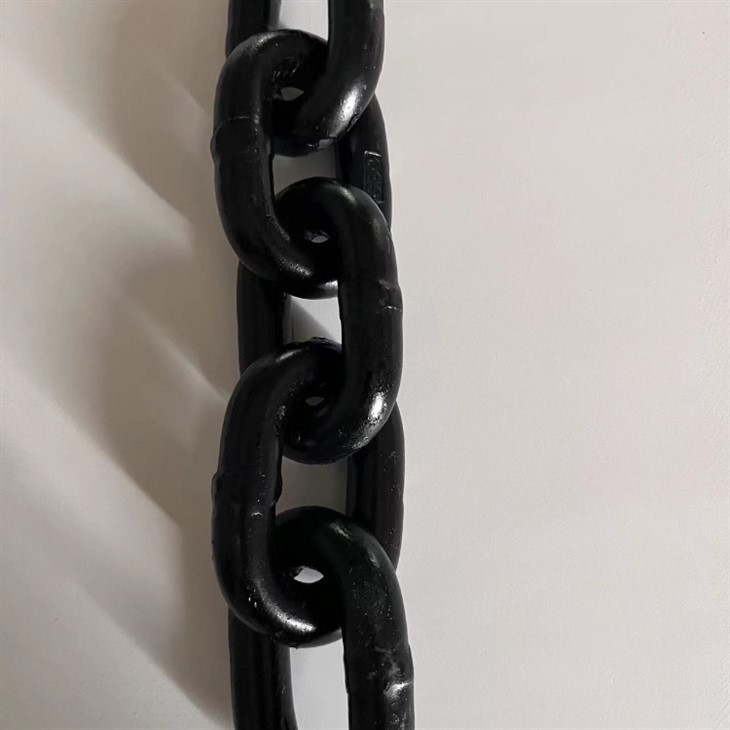
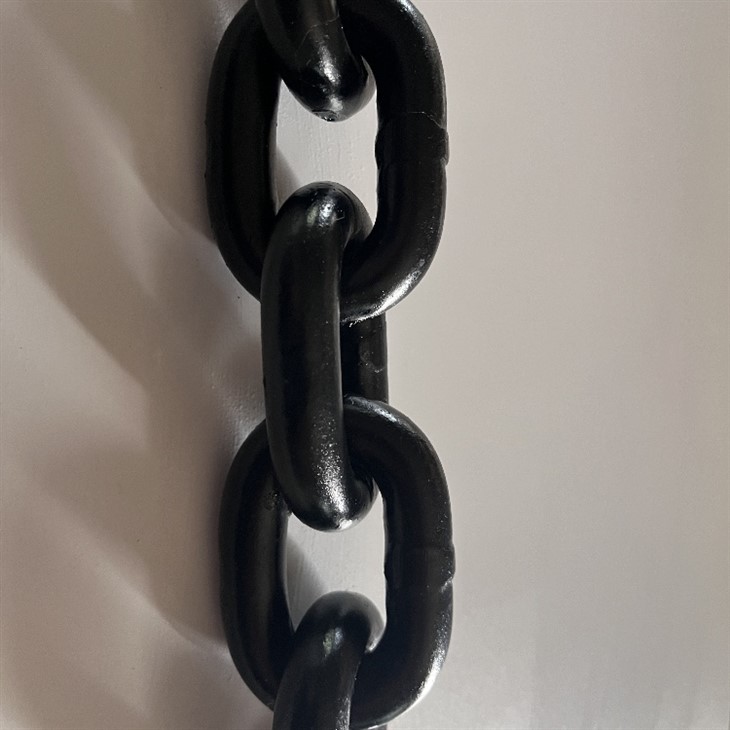
Conduct regular visual inspections to check for signs of wear, damage, or deformation. Look for cracks, gouges, excessive stretching, or loss of material.
Lubrication
Keep the chain well-lubricated with appropriate grease or oil. Proper lubrication reduces friction, minimizes wear, and prevents corrosion. Ensure that the lubricant is suitable for the operating conditions and adheres to the manufacturer's recommendations.
Cleaning
Remove any accumulated debris, mud, or other foreign materials from the chain regularly. This prevents abrasive particles from causing excessive wear and ensures that the lubricant can perform effectively.
Tensioning
Check and adjust the chain tension as necessary. Overly loose chains can skip links or derail, while excessively tight chains can cause undue stress and premature failure.
Alignment
Ensure that the machinery to which the chain is attached is correctly aligned. Misalignment can lead to uneven wear and increased stress on the chain.
Replacement
Replace worn or damaged links promptly. Do not operate the machinery with a compromised chain, as this can lead to catastrophic failure and potential injury.
Storage
When not in use, store the chains in a dry, clean environment to protect them from corrosion and environmental damage.
Inspection Of Attachments
Check all chain attachments, such as buckets, hooks, and shackles, for wear and damage. Weak or broken attachments can lead to accidents.
Benefits Of Using Mining Chain
Corrosion Resistance
One of the primary benefits of stainless steel is its exceptional resistance to corrosion. This property is essential in environments where the chain will be exposed to moisture, humidity, chemicals, or other corrosive elements. Unlike many other metals, stainless steel forms a passive layer of chromium oxide that acts as a protective barrier against rust and corrosion.
Durability and Longevity
Mining Chain is renowned for its durability and longevity. It can withstand harsh conditions, extreme temperatures, and mechanical stresses without compromising its structural integrity. This durability ensures that the chain maintains its performance and appearance over an extended period, reducing the need for frequent replacements.
Strength
Stainless steel possesses impressive tensile strength, making it suitable for applications requiring load-bearing capabilities. Whether in industrial settings, transportation, or construction, a stainless steel chain can reliably handle heavy loads and resist deformation.
Hygiene and Cleanliness
Stainless steel is highly hygienic and easy to clean, making it suitable for applications in food processing, medical, and sterile environments. Its smooth surface discourages the growth of bacteria and contaminants, contributing to a safer and cleaner environment.
Applications of Mining Chain
Buckets and Scrapers
Mining chains are used in excavator buckets, dragline buckets, and scrapers to dig, move, and load materials such as coal, ore, and overburden. They provide the necessary strength to handle the weight and impact of the extracted materials.
Conveyor Systems
Chains are employed in underground conveyors and elevators to transport materials from the mine face to processing facilities or to the surface. They are critical components in maintaining continuous material flow.
Hoisting Equipment
In mines with vertical shafts, chains are utilized in hoists and elevators to raise and lower miners, equipment, and materials safely and efficiently.
Drilling Rig
The chain is an integral part of the drill rig and connects the drill bit and stabilizer to the machinery. They transmit power from the drill motor to the drill point and support the weight of the drill string.
Anchoring Systems
Chains are used in ground control systems as anchors to stabilize rock faces, tunnels, and other underground structures. They are critical for preventing collapses and ensuring worker safety.
Slope Stabilization
Chains can be part of systems designed to stabilize slopes in open-pit mines, providing resistance against landslides and erosion.
Certificate


Frequently Asked Questions
Hot Tags: mining high-tensile round chain, China mining high-tensile round chain manufacturers, factory, Durable and wear resistant, High Strength Alloy Steel, Plastic Nylon Slaughter Line Trolley Chain, Double Leg Sling, Goose Killing Chain, Chicken Killing Chain


Send Inquiry
